SEO
On Page SEO Essentials: Why Your Website Is Invisible to Google And How to Fix It Master the critical on-page elements that help your website get found on Google
Your website is invisible because you are ignoring on-page SEO. Most websites fail to rank because they skip the basics of on-page optimization, leaving them buried in search results despite having valuable content. Google needs clear signals to understand what your page is about, and on-page SEO provides exactly that foundation for search visibility. This comprehensive guide reveals the critical on-page elements you are missing and how TechDevs can help.
TLDR: Essential On-Page SEO Elements for Visibility
Invisible Problem
75% of users never scroll past the first page, making poor on-page SEO essentially render websites invisible.
Critical Elements
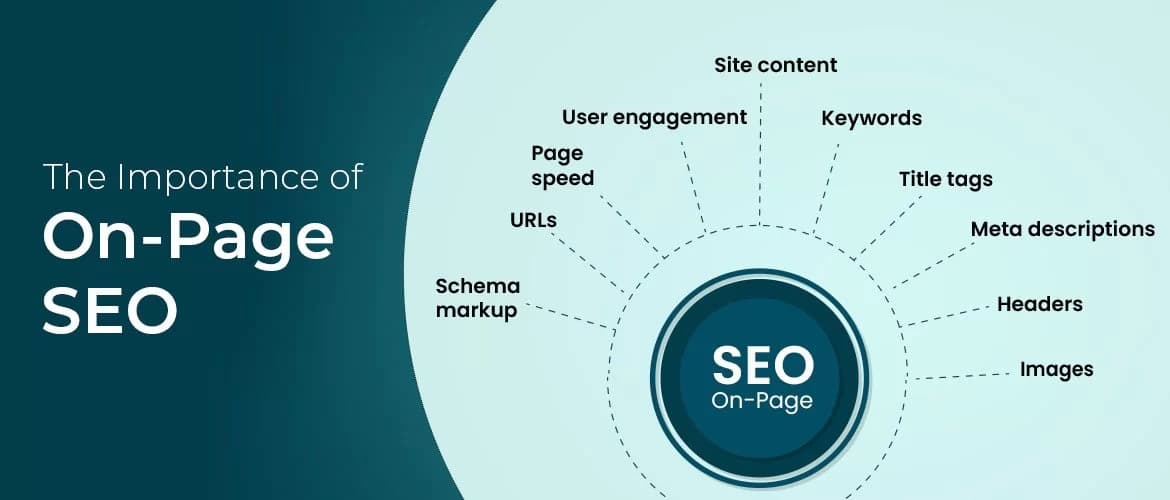
Seven essential on-page elements: title tags, meta descriptions, content structure, internal linking, images, URLs, and schema markup.
Quick Wins
Initial improvements visible within 4-8 weeks of implementing comprehensive on-page optimization strategies.
Foundation First
On-page SEO provides the foundation that makes off-page efforts effective and sustainable.
Why On-Page SEO Makes or Breaks Your Website Visibility
The Hidden Cost of Poor On-Page Optimization
The problem can be missing title tags, no meta descriptions, weak content structure, and zero keyword optimization. These fundamental issues prevent Google from properly indexing and ranking your content, regardless of its quality. Research shows that 75% of users never scroll past the first page of search results, meaning poor on-page SEO essentially makes your website invisible to potential customers.
The Competitive Disadvantage
And honestly, the list of on-page mistakes that can kill your rankings is endless. While your competitors implement strategic on-page optimization, your website remains hidden from potential customers. Consider these statistics:
Without proper on-page SEO, you are essentially surrendering these potential visitors to competitors who understand the importance of optimization.
| Invisible Website | Optimized Website |
|---|---|
| Missing or generic title tags | Optimized title tags with front-loaded keywords |
| No meta descriptions or duplicates | Compelling, unique meta descriptions |
| Poor content structure with no headings | Clear hierarchy with H1, H2, H3 structure |
| Minimal or no internal linking | Strategic internal linking strategy |
| Unoptimized images with generic filenames | Optimized images with descriptive alt text |
7 Critical On-Page SEO Elements You Are Probably Missing
These essential elements work together to provide Google with the clear signals it needs to understand, index, and rank your content effectively.
Title Tag Optimization
Your first impression with optimized keywords and compelling copy.
Meta Description Crafting
Your search results sales pitch that drives click-through rates.
Content Structure
Proper hierarchy and organization for users and search engines.
Internal Linking
Strategic connections that distribute authority and improve navigation.
Image Optimization
Visual content that enhances SEO and user experience.
URL Structure
Clean paths that improve rankings and user experience.
Schema Markup
Structured data that helps search engines understand your content.
1. Title Tag Optimization: Your First Impression
You need optimized title tags with keywords near the front to immediately signal relevance to both users and search engines. Title tags are one of the most influential on-page factors, directly impacting both rankings and click-through rates.
Example of Poor vs. Optimized Title:
Best practices for title tags:
- Front-load keywords by placing primary keyword at the beginning
- Keep length optimal at 50-60 characters to prevent truncation
- Include compelling elements like numbers or emotional triggers
- Add location modifiers for local businesses
- Make each title unique across your website
2. Meta Description Crafting: Your Search Results Sales Pitch
While not a direct ranking factor, meta descriptions significantly impact click-through rates, which indirectly affects rankings. These 135-160 character snippets serve as your advertisement on search results pages.
Meta description optimization tips:
- Include primary keywords that match user search queries
- Add clear call-to-action phrases like Learn how or Get started
- Address search intent by directly answering what searchers want
- Create unique descriptions for each page to avoid duplicates
- Keep length between 135-160 characters for optimal display
3. Content Structure: The Backbone of SEO Success
Proper content structure helps both users and search engines understand your information hierarchy. Well-structured content keeps visitors engaged longer and helps Google identify the most important information on your page.
Content structure elements:
- Use clear H1 heading with your primary keyword included
- Organize content with logical H2-H6 subheadings
- Keep paragraphs short at 3-4 sentences for better readability
- Use bullet points and lists to break up complex information
- Add TL;DR summaries at the beginning of long content pieces
4. Internal Linking: Your Website Navigation System
Internal links help search engines understand your site structure and distribute link equity. A strategic internal linking approach improves crawlability, keeps users on your site longer, and boosts the ranking potential of important pages.
Internal linking best practices:
- Use descriptive anchor text that includes relevant keywords
- Link to relevant content with related topics and information
- Create content hubs by grouping related articles around pillar topics
- Prioritize important pages by linking to conversion-focused pages more frequently
- Maintain reasonable link quantity with 3-5 internal links per 1,000 words
5. Image Optimization: Visual Content That Ranks
Images enhance user experience but require proper optimization to contribute to SEO. Optimized images improve page load speed, accessibility, and provide additional ranking opportunities through image search.
Image SEO essentials:
- Use descriptive filenames with keywords instead of generic names
- Write descriptive alt text between 70-100 characters
- Compress file sizes without sacrificing visual quality
- Ensure images are responsive and display properly on all devices
- Include images in your XML sitemap for better indexing
6. URL Structure: Clean Paths for Better Rankings
SEO-friendly URLs contribute to better rankings and user experience. Well-structured URLs provide context about your page content and improve click-through rates from search results.
URL Optimization Guidelines:
- Keep URLs short with 3-5 words maximum
- Use hyphens to separate words, avoid underscores or special characters
- Include relevant keywords in the URL structure
- Create logical hierarchy that reflects your site structure
- Avoid parameter strings and unnecessary tracking parameters
7. Schema Markup: Helping Search Engines Understand Your Content
Schema markup speaks directly to search engines in their language, helping them understand not just what your content says, but what it means. This structured data can help your site earn rich snippets, which significantly increase visibility and click-through rates.
Essential Schema Types:
- LocalBusiness markup: For location-based businesses to appear in local searches
- FAQPage markup: For FAQ sections to potentially appear in featured snippets
- Product markup: For e-commerce sites to display prices and availability
- Review markup: To display star ratings in search results
- Article markup: For blog posts and news content
The TechDevs Approach to On-Page SEO Excellence
Our Comprehensive On-Page SEO Methodology
At TechDevs, we use a systematic approach to on-page optimization. Our methodology includes:
Research Analysis
- Thorough keyword research for high-value opportunities
- Competitor analysis to identify optimization gaps
- Technical SEO audits for comprehensive assessment
- User intent analysis for content alignment
Technical Implementation
- Strategic title tag and meta description optimization
- Content structure enhancement with proper headings
- Internal linking strategy development
- Schema markup implementation for rich snippets
Content Optimization
- Content enhancement based on search intent
- Image optimization with descriptive alt text
- URL structure improvements for clarity
- New content development for keyword targeting
Performance Monitoring
- Regular ranking tracking and analysis
- User behavior metrics monitoring
- A/B testing for continuous improvement
- Data-driven strategy adjustments
Implementing On-Page SEO: Your Step-by-Step Action Plan
Successfully implementing on-page SEO requires a systematic approach that addresses each element strategically for maximum impact on search visibility.
1. Conduct a Comprehensive On-Page Audit
Before making changes, assess your current on-page status using tools like Google Search Console, Screaming Frog, or Semrush. Identify issues with:
- Missing or duplicate title tags and meta descriptions
- Improper heading structure and content hierarchy
- Thin or duplicate content issues
- Slow-loading pages and technical problems
- Missing alt text on images and poor optimization
- Poor internal linking structure and missed opportunities
2. Develop a Keyword Strategy
Research and select target keywords for each page based on:
- Search volume and competition level analysis
- User intent matching (informational, navigational, transactional)
- Geographic relevance for local businesses
- Long-tail variations for specific targeting opportunities
3. Optimize Page Elements
Systematically enhance each on-page element:
- Create optimized title tags with primary keywords near the beginning
- Write compelling meta descriptions that encourage clicks
- Structure content with proper heading hierarchy (H1, H2, H3)
- Optimize images with descriptive filenames and alt text
- Improve URL structure for clarity and keyword inclusion
- Implement schema markup appropriate for your content type
4. Develop a Strategic Internal Linking Plan
Create a deliberate internal linking strategy:
- Link from high-authority pages to important conversion pages
- Use descriptive anchor text containing relevant keywords
- Create content hubs around main topics and themes
- Update old content with links to new relevant pages
5. Monitor and Refine
Track performance and make ongoing improvements:
- Monitor rankings for target keywords regularly
- Analyze user behavior metrics (bounce rate, time on page)
- A/B test title tags and meta descriptions for improved CTR
- Regularly update content to maintain freshness and relevance
FAQ: On-Page SEO Essentials
What is the difference between on-page SEO and off-page SEO?
On-page SEO involves optimizing elements within your website that you directly control, such as content, HTML source code, and site structure. Off-page SEO focuses on external factors like backlinks, social signals, and online reputation that influence your site authority.
How long does it take to see results from on-page SEO improvements?
Most websites begin seeing initial improvements within 4-8 weeks of implementing comprehensive on-page optimization. However, significant ranking changes typically appear after 3-6 months as search engines recrawl and reassess your content.
Which on-page SEO element has the biggest impact on rankings?
While all on-page elements work together, content quality and relevance remain the most influential factors. Google algorithms prioritize content that thoroughly addresses user search intent with expertise and authority.
Do I need to hire an SEO professional, or can I implement on-page SEO myself?
Basic on-page SEO principles can be implemented by website owners with some technical knowledge. However, professional SEO services provide comprehensive optimization based on data analysis, competitive research, and industry expertise.
How often should I update my on-page SEO?
On-page SEO requires regular maintenance rather than one-time optimization. Best practices include conducting quarterly content audits, updating existing content annually, and reviewing title tags and meta descriptions for pages with low click-through rates.
What tools can I use to check my on-page SEO?
Use Google Search Console for basic analysis, Screaming Frog for technical audits, Semrush or Ahrefs for comprehensive optimization insights, and Google PageSpeed Insights for performance evaluation.
Can poor on-page SEO hurt my existing rankings?
Yes, poor on-page SEO can negatively impact existing rankings. Issues like duplicate content, keyword stuffing, or slow loading times can cause Google to devalue your pages and lower their search positions.
Is on-page SEO more important than off-page SEO?
Both are essential, but on-page SEO provides the foundation. Without proper on-page optimization, off-page efforts like link building will be less effective. On-page SEO ensures Google can understand and properly index your content.
Ready to Make Your Website Visible?
These small details add up to major ranking improvements. By implementing proper on-page SEO, you provide Google with the clear signals it needs to understand and rank your content appropriately. The difference between invisibility and page one rankings often comes down to these fundamental optimization elements.
TechDevs specializes in strategic on-page optimization. Our team of SEO experts understands the unique challenges of ranking in Indian markets and delivers customized solutions for businesses of all sizes.
Key Takeaways:
- Poor on-page SEO makes 75% of websites invisible beyond the first page
- Seven critical elements: title tags, meta descriptions, content structure, internal linking, images, URLs, and schema markup
- Optimized title tags with front-loaded keywords drive both rankings and clicks
- Strategic internal linking distributes authority and improves site navigation
- Proper content structure helps both users and search engines understand your information
- Schema markup enables rich snippets that significantly increase visibility
- Regular monitoring and refinement ensure sustained optimization success
Ready to make your website visible to Google?
Stop letting poor on-page SEO keep your website invisible. TechDevs offers comprehensive on-page optimization to help your website get found.