The Ultimate 2026 Guide to Scale Your Perfume Brand in India: AI Search, CRO & Growth Checklists
Master scaling your perfume brand in India with AI search optimization, conversion rate strategies, and complete checklists. 2026 growth roadmap inside.
 Written byPrithvi Jadwani
Table of contents
Summarize this article with AI
TL;DR
India's perfume market is exploding in 2026, and indie brands now have the tools to compete with giants. This guide shows you how to build a fragrance brand that gets discovered through AI search, converts browsers into buyers with smart CRO tactics, and scales profitably. We're talking real strategies, not theory.
- AI Search Levels the Playing Field. Smart algorithms now match scent profiles to consumer intent, giving small brands visibility they couldn't buy before
- CRO is Your Profit Engine. With high customer acquisition costs, converting more visitors is cheaper than buying more traffic
- Emotional Connection Wins. Perfume buyers don't want products, they want identity and memory. Your brand story matters more than your marketing budget
- Data-Driven Growth Works. Track the right metrics, test relentlessly, and let customer behavior guide your decisions
- Compliance is Non-Negotiable. BIS standards and cosmetics regulations aren't optional. Build trust by doing it right from day one
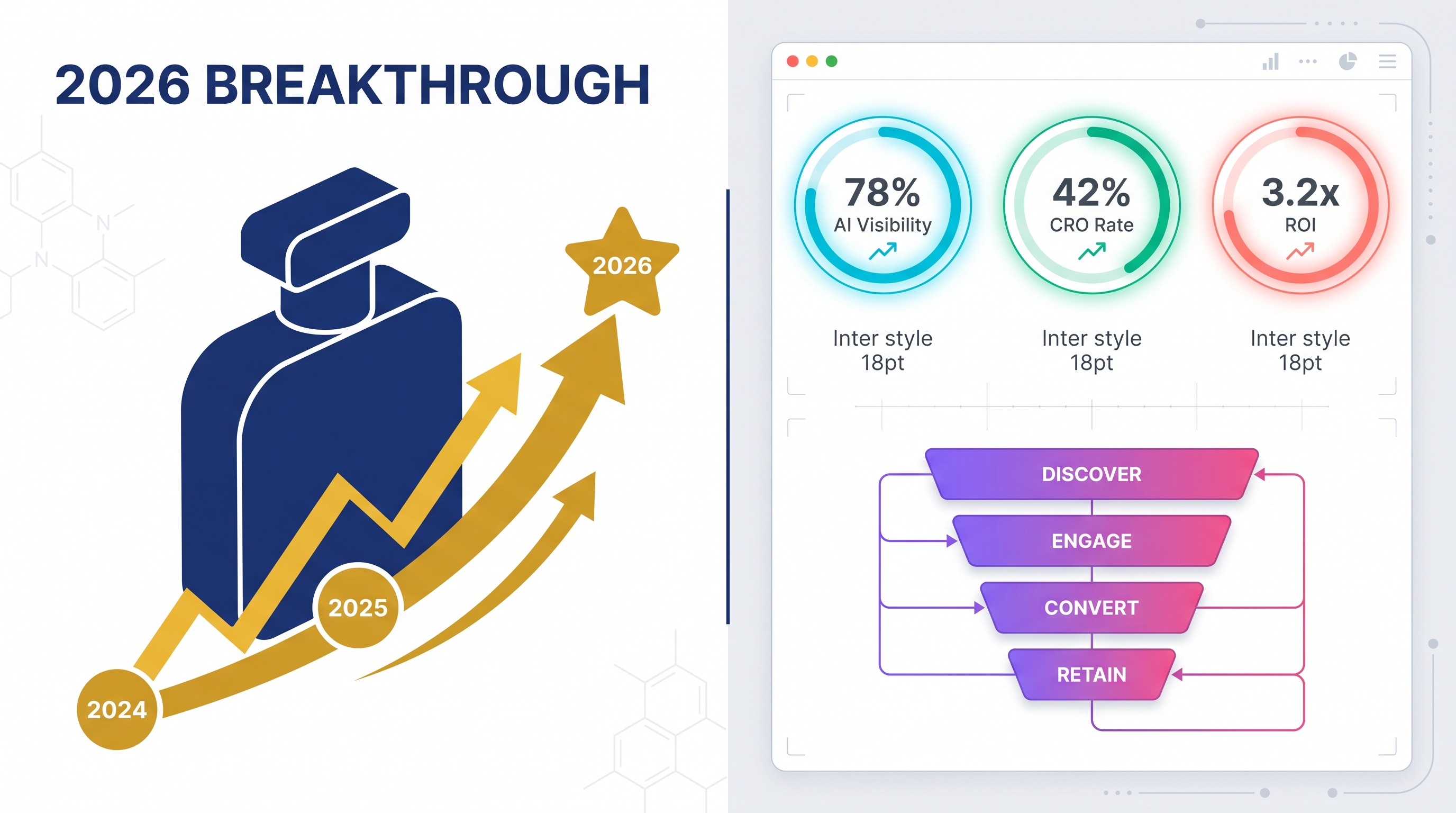
Why 2026 is the Breakthrough Year to Scale Your Perfume Brand in India
India's fragrance market isn't just growing. It's transforming. Consumers who once settled for mass-market scents are now hunting for niche perfumes that feel personal, premium, and authentic. The shift isn't subtle.
Digital-first buyers now dominate the space. They research scent notes on their phones, watch unboxing videos, and expect brands to understand their mood before they even describe it. And here's the kicker: AI search engines are getting scary good at matching fragrance profiles to consumer intent. That means a well-optimized indie brand can now outrank established names in search results.
But here's what most founders miss: growth isn't just about getting discovered. It's about converting that discovery into sales. You can have the best scent in the world, but if your website doesn't build trust in the first 10 seconds, you've lost the customer. Conversion rate optimization isn't a nice-to-have anymore. It's the difference between a hobby brand and a profitable business.
Building Your Foundation: Brand Identity Meets AI-Powered Discovery
Most perfume brands start with a scent. That's backwards. You need to start with identity. Who are you making this for? What emotional territory are you claiming? What does your brand stand for when nobody's looking?
Modern fragrance brands succeed not because they have the best ingredients, but because they craft an olfactive signature that carries their philosophy into the world. Consumers aren't searching for "perfume." They're searching for identity, memory, and something that feels unmistakably theirs.
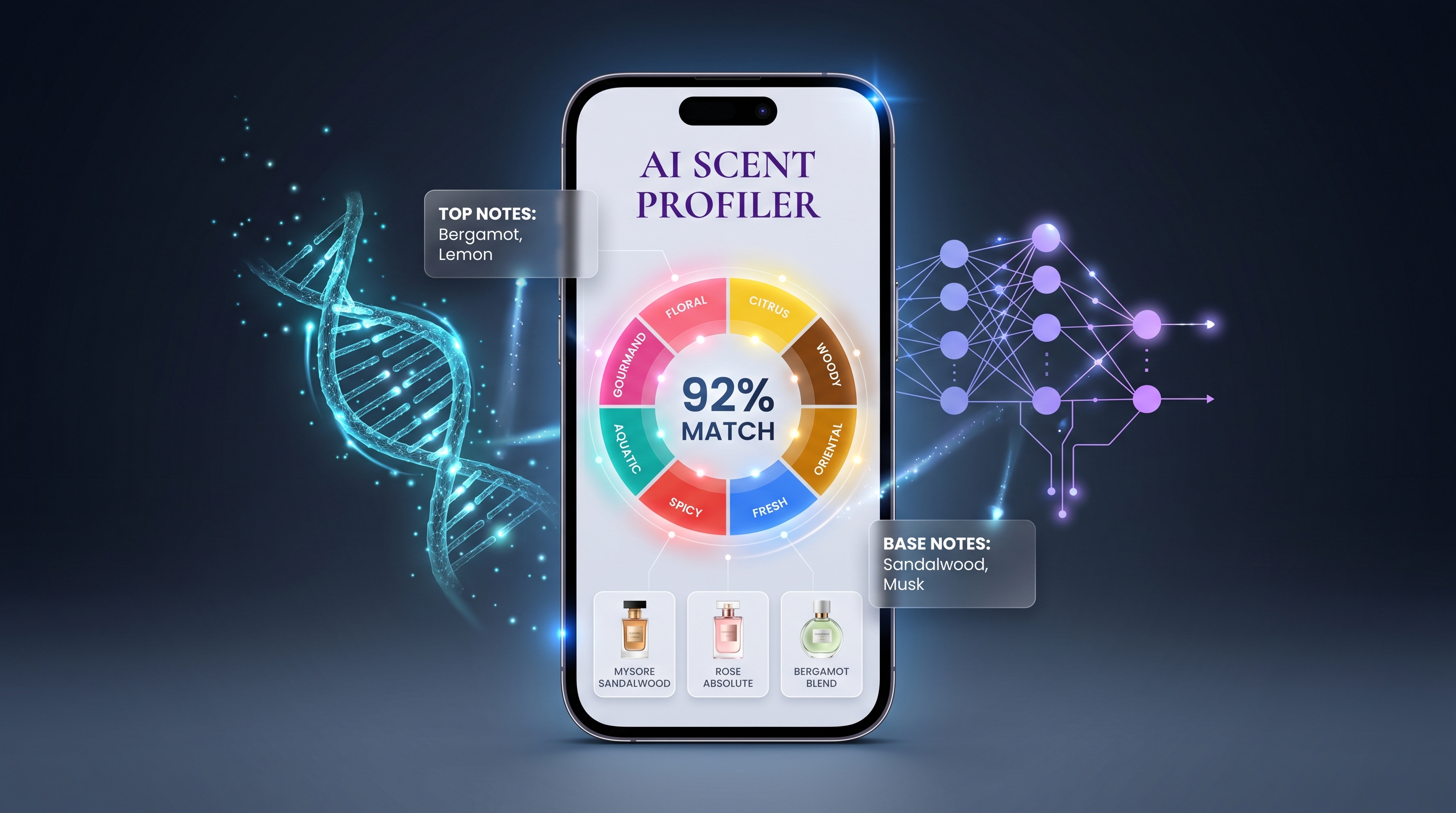
Here's where AI search changes everything. Search engines now understand fragrance notes, mood keywords, and scent families. When someone searches for "warm woody perfume for confident women," the algorithm isn't just matching keywords. It's interpreting intent, emotion, and sensory language. Your product descriptions need to speak that language.
Scent Profile Optimization
Map your fragrance notes to emotional keywords and search intent. Think like your customer searches, not like a perfumer talks.
Structured Data Implementation
Use schema markup to tell AI exactly what your perfume is: notes, longevity, concentration, mood, and occasion.
Consumer Behavior Alignment
Study how your target audience describes scents. Their language becomes your metadata.
AI Scent-Matching
Build recommendation engines that learn from user preferences and improve discovery over time.
Launching a perfume brand today is not about producing a product. It is about crafting an olfactive signature that carries your philosophy into the world.
Maison 21G, Modern Founder's Guide to Perfume Brands
The brands crushing it right now? They're treating their website like a discovery engine. Every product page is optimized for both human emotion and machine learning. They're not just selling perfume. They're helping AI understand what their perfume means.
AI Search Optimization Strategies for Fragrance Ecommerce
AI search doesn't work like Google in 2015. It's not about stuffing keywords into meta descriptions. Modern algorithms use natural language processing to understand context, synonyms, and emotional tone. When you write "fresh citrus opening with warm amber base," the AI connects that to searches like "energizing morning perfume" or "confidence-boosting fragrance."
And it gets better. Voice search is exploding in India, especially in regional languages. Someone might ask their phone, "Mujhe ek romantic perfume chahiye" (I need a romantic perfume). If your product descriptions only use English perfume jargon, you're invisible to that search.
Map olfactory families to emotional keywords: Don't just list notes. Describe the feeling. "Bergamot and jasmine" becomes "bright, uplifting, and feminine."
Implement product schema markup: Tell search engines your perfume's concentration, size, notes, longevity, and intended mood. Structured data is AI's love language.
Optimize for conversational queries: Write descriptions that answer questions. "Is this good for evening wear?" should be answered in your product copy.
Build multilingual content: If you're targeting pan-India, include Hindi, Tamil, or Bengali descriptions for key products. Voice search is regional.
Create AI-enhanced recommendation engines: Use machine learning to suggest perfumes based on past purchases, browsing behavior, and stated preferences.
Here's a tactic most brands ignore: create a scent quiz powered by AI that learns from responses. Ask about mood, occasion, favorite memories, and let the algorithm match them to your product catalog. This isn't just a marketing gimmick. It's training data that makes your recommendations smarter over time.
Common AI Search Optimization Questions
How does AI search optimization work for perfume brands in India?
AI search uses natural language processing to understand the emotional and sensory language of fragrance. Instead of just matching keywords, it interprets intent. When someone searches for "warm, cozy perfume for winter," the AI connects that to scent families like amber, vanilla, and woody notes. Your job is to describe your perfumes in the language consumers use, not perfumer jargon. Include emotional keywords, occasion tags, and mood descriptors in your product metadata and descriptions.
What structured data should I implement for perfume products?
Use Product schema markup to define your perfume's key attributes: fragrance notes (top, middle, base), concentration (EDT, EDP, parfum), size, longevity, sillage, intended mood, and occasion. Also include review schema to display ratings in search results. This helps AI understand exactly what your product is and match it to relevant searches.
Should I optimize for voice search in regional languages?
Absolutely. Voice search adoption is high in India, and many users search in Hindi, Tamil, Bengali, and other regional languages. Create product descriptions or FAQs in key regional languages that answer common voice queries like "best perfume for office" or "long-lasting fragrance under 3000 rupees."
How do AI scent recommendation engines increase conversion?
AI recommendation engines analyze user behavior, past purchases, and quiz responses to suggest perfumes that match individual preferences. This reduces decision paralysis and increases relevance. When a customer sees a recommendation that feels personally curated, they're more likely to trust the suggestion and complete the purchase. Over time, the engine learns and improves accuracy.
Can small perfume brands compete with big names in AI search?
Yes. AI search rewards relevance and intent-match over brand size. If your product descriptions, metadata, and content better match what a consumer is searching for, you can outrank bigger brands. The key is to be hyper-specific about your scent profiles and target audience. Niche brands often win because they understand their customer better than mass-market players.
Conversion Rate Optimization: Turning Browsers into Perfume Buyers
Getting traffic is expensive. Converting that traffic is where you make money. And for perfume brands, CRO is even more critical because you're fighting a massive trust barrier: people can't smell your product through a screen.
Think about it. Buying perfume online is a leap of faith. Your website has 10 seconds to convince someone that this scent is worth the risk. Most brands fail here. They treat their product pages like catalogs instead of conversion machines.
So what works? Ecommerce CRO strategies that focus on trust-building, sensory storytelling, and removing friction. Let's break it down.
Social proof is everything: Display real customer reviews with photos. User-generated content showing the actual product builds trust faster than any marketing copy. If someone posts a video of them wearing your perfume, that's gold.
Rich sensory descriptions: Don't just list notes. Paint a picture. "Opens with a burst of Italian bergamot, like morning sunlight on citrus groves, then settles into warm sandalwood and amber." Make them feel the scent.
Note pyramids and longevity data: Show top, middle, and base notes visually. Include how long the scent lasts and its sillage. Buyers want to know what they're getting.
Transparent pricing: No hidden shipping costs at checkout. Display the full price upfront. Cart abandonment spikes when people see surprise fees.
Sample and discovery kits: Offer small vials or sample sets. Let people try before committing to a full bottle. This single tactic can cut your return rate in half.
Mobile optimization isn't optional. Most perfume shoppers in India are browsing on smartphones. If your product images take 5 seconds to load or your checkout requires 12 form fields, you've lost them. One-click checkout, mobile-optimized images, and fast load times are table stakes.
Pros
Lower barrier to entry for first-time buyers
Reduces return rates and buyer's remorse
Builds trust through try-before-you-buy model
Creates upsell opportunity for full bottles later
Cons
Lower initial average order value
Higher fulfillment costs per unit
Some customers never upgrade to full bottle
Immersive Tech: AR/VR Try-Ons and Interactive Scent Experiences
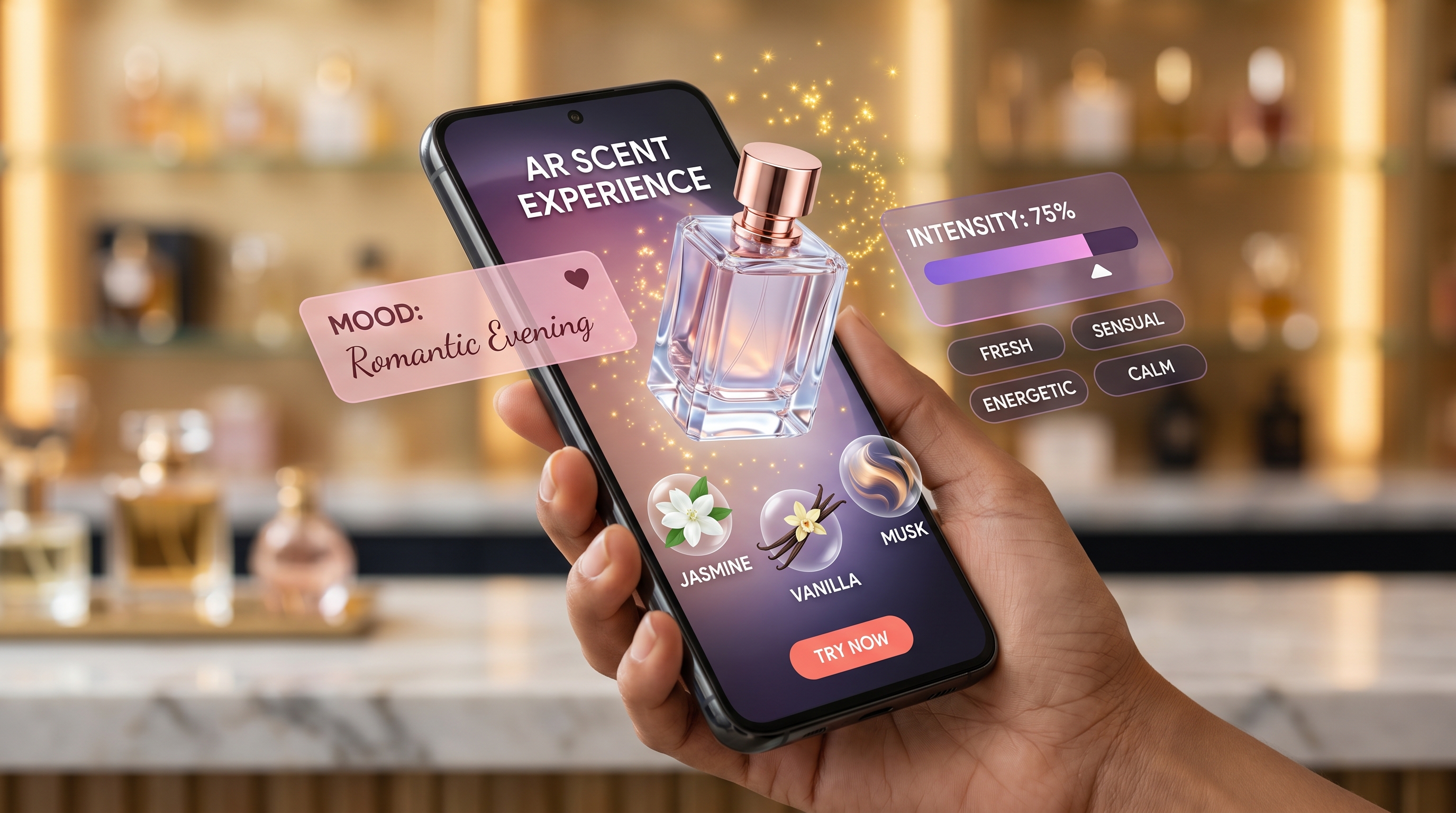
You can't let someone smell your perfume through a screen. But you can reduce purchase hesitation with immersive technology. AR and VR aren't gimmicks anymore. They're conversion tools.
Some brands are using AR to let customers visualize the perfume bottle in their space. Others are building virtual scent journeys that translate fragrance notes into visual and auditory experiences. Sounds weird? It works. When someone takes a quiz that asks about their favorite season, preferred colors, and ideal vacation spot, then shows them a visual story that matches their answers to a perfume, they're emotionally invested before they even see the product page.
AR Bottle Visualization
Let customers see your perfume bottle in their space using their phone camera. It sounds simple, but it increases perceived value and reduces return rates.
Mood-Based Scent Quizzes
Interactive quizzes that match personality traits, moods, and preferences to fragrance profiles. The data you collect improves your recommendations over time.
Virtual Scent Journeys
Visual storytelling that represents fragrance notes through imagery, music, and narrative. It's abstract, but it creates emotional connection.
Interactive Note Exploration
Let users click on each fragrance note to see images, read descriptions, and understand what each ingredient contributes to the overall scent.
Here's the ROI reality: immersive tech costs money upfront. But if it increases your conversion rate by even 1-2%, it pays for itself fast. A brand selling 1000 bottles a month at 3% conversion could add 30-60 more sales monthly just by improving their interactive experience. That's real money.
Navigating India's Perfume Regulations, Supply Chain & Quality Compliance
Nobody talks about this enough: compliance will make or break your brand. You can have the best marketing in the world, but if your product doesn't meet BIS standards or you skip cosmetics regulations, you're building on sand.
India has strict rules for fragrance products. You need to understand import requirements if you're sourcing ingredients internationally. You need to work with testing labs that can verify your formulations. And you need to be transparent about what's in your perfumes because consumers care about this now.
Compliance Checklist for Perfume Brands in India
Verify BIS standards compliance for all fragrance products
Register with appropriate cosmetics regulatory bodies
Obtain import licenses if sourcing international ingredients
Partner with certified testing labs for formulation verification
Implement transparent ingredient labeling on all packaging
Document supply chain for natural vs. synthetic ingredients
Establish quality control processes for batch consistency
Create shelf-life management system for inventory
Supply chain is where most founders underestimate complexity. Natural ingredients have shorter shelf lives than synthetics. Your inventory management needs to account for this. And if you're positioning as a sustainable brand, you better have a supply chain story that holds up to scrutiny.
Regulatory & Supply Chain FAQs
What regulations do I need to follow to sell perfumes in India?
You must comply with BIS (Bureau of Indian Standards) requirements for cosmetic products, register with the Central Drugs Standard Control Organization (CDSCO) if applicable, and follow the Drugs and Cosmetics Act. This includes proper labeling, ingredient disclosure, and safety testing. If you're importing ingredients or finished products, you'll need import licenses and customs compliance. Work with a regulatory consultant if you're new to this.
Should I source ingredients locally or internationally?
It depends on your positioning and budget. International suppliers often offer higher-quality essential oils and aroma chemicals, but they come with import costs, longer lead times, and regulatory complexity. India has excellent suppliers for many ingredients, especially natural botanicals. A hybrid approach works well: source common ingredients locally for cost efficiency, and import signature notes that define your brand's uniqueness.
How do I manage shelf life for natural perfume formulations?
Natural ingredients oxidize faster than synthetics, giving them a shorter shelf life (typically 1-2 years vs. 3-5 years). Use dark glass bottles to protect from UV light, store inventory in cool, dry conditions, and implement FIFO (first in, first out) inventory management. Be transparent with customers about shelf life and provide storage instructions. Some brands use natural preservatives or antioxidants to extend stability.
The brands that build trust are the ones that are obsessively transparent. Show your lab partners. Talk about your testing process. Explain why you chose certain suppliers. This isn't boring compliance stuff. It's brand differentiation.
Building Community & Emotional Loyalty Around Your Fragrance Brand
Perfume is personal. People don't just buy a scent. They buy an identity, a memory, a feeling they want to carry with them. Your brand needs to tap into that emotional layer.
The brands crushing it right now aren't running traditional ads. They're building communities. They're sharing founder stories. They're asking customers to share their own scent memories and featuring those stories on their website and social media.
Consumers are no longer searching for another generic scent. They are searching for identity. For memory. For something that feels unmistakably theirs.
Maison 21G, How to Start Your Perfume Brand in 2026
Founder-led storytelling: Share why you started the brand. What personal experience or philosophy drives your formulations? People connect with people, not companies.
User-generated content campaigns: Ask customers to share photos, videos, or stories about when they wear your perfume. Feature the best ones. This builds social proof and community.
Scent discovery events: Host virtual or in-person events where people can learn about fragrance notes, try samples, and connect with other enthusiasts. These events create brand evangelists.
Personalization at scale: Use AI to send personalized recommendations based on purchase history and browsing behavior. Make customers feel seen and understood.
Loyalty programs that matter: Don't just offer points. Create tiers that unlock exclusive scents, early access to launches, or personalized consultations.
Community Building
Create spaces (online or offline) where fragrance enthusiasts can connect, share stories, and feel like they're part of something bigger than a transaction.
Emotional Storytelling
Every perfume should have a story. Not marketing fluff, but genuine inspiration. What memory, place, or feeling does this scent capture?
Customer Recognition
Feature customer stories, photos, and testimonials prominently. Make your customers the heroes of your brand narrative.
Exclusive Experiences
Offer VIP customers first access to new launches, personalized scent consultations, or limited-edition collaborations.
Here's what works: treat your customers like co-creators, not just buyers. Ask for feedback on new scents before launch. Let them vote on packaging designs. Give them a voice in your brand's evolution. When people feel ownership, they become loyal advocates.
Measuring Success: KPIs, Analytics & ROI Frameworks for Perfume Brands
You can't improve what you don't measure. Most perfume brands track vanity metrics like Instagram followers or website visits. Those numbers feel good, but they don't pay the bills.
The metrics that matter are the ones tied to revenue: conversion rate, average order value, customer acquisition cost, lifetime value, and repeat purchase rate. If you're not tracking these weekly, you're flying blind.
Conversion rate: Track overall site conversion and per-product conversion. If one perfume converts at 5% and another at 1%, figure out why and replicate what works.
Average order value: Test bundles, sample sets, and upsells. A small increase in AOV has massive impact on profitability.
Customer acquisition cost: Know exactly how much you spend to acquire each customer across all channels. If your CAC is higher than your first-order profit, you need to fix your funnel or increase prices.
Lifetime value: Track how much a customer spends over their entire relationship with your brand. High LTV justifies higher CAC and unlocks better growth strategies.
Repeat purchase rate: For consumable products like perfume, repeat purchases are where you make real money. If customers aren't coming back, your product or experience has a problem.
AI search performance needs its own dashboard. Track impressions, click-through rates, and conversion rates for AI-driven traffic separately. Are your scent-matching recommendations working? Is voice search sending qualified traffic? You won't know unless you measure it.
CRO testing needs a framework. Don't just randomly test things. Prioritize tests based on potential impact and ease of implementation. Test one variable at a time. Run tests long enough to reach statistical significance (usually 2-4 weeks for ecommerce). Document everything so you build institutional knowledge.
Your 2026 Growth Checklist: Actionable Steps to Scale Your Perfume Brand in India
You've got the strategy. Now here's the execution roadmap. This is the checklist we'd follow if we were launching a perfume brand in India today.
Phase 1: Foundation (Weeks 1-4)
Define brand identity, target audience, and olfactive signature
Audit current website for CRO opportunities (load speed, mobile UX, checkout friction)
Implement product schema markup and structured data for AI search
Set up analytics dashboard tracking conversion rate, AOV, CAC, and LTV
Verify regulatory compliance (BIS standards, cosmetics regulations)
Phase 2: AI & Personalization (Weeks 5-8)
Optimize product descriptions with emotional keywords and sensory language
Build or integrate AI-powered scent recommendation quiz
Implement voice search optimization in key regional languages
Launch AR bottle visualization or interactive scent experience
Set up personalized email flows based on browsing and purchase behavior
Phase 3: Community & Trust (Weeks 9-12)
Launch UGC campaign encouraging customers to share scent stories
Feature customer reviews and photos prominently on product pages
Host first scent discovery event (virtual or in-person)
Create founder story content and share brand philosophy authentically
Build loyalty program with meaningful rewards and exclusive access
Phase 4: Supply Chain & Operations (Ongoing)
Establish relationships with certified testing labs
Implement inventory management system for shelf-life tracking
Document supply chain for transparency and sustainability claims
Create quality control processes for batch consistency
Phase 5: Testing & Scaling (Weeks 13+)
Run A/B tests on product pages (descriptions, images, pricing)
Test checkout flow variations to reduce cart abandonment
Experiment with sample kits vs. full bottles as entry products
Scale paid acquisition channels with proven conversion rates
Review analytics weekly and adjust strategy based on data
This isn't a one-and-done project. Scaling a perfume brand is continuous iteration. You launch, you measure, you learn, you improve. The brands that win are the ones that stay obsessed with getting better every week.
Speed Matters
Move fast. Test fast. Learn fast. Your competitors are doing the same.
Data Drives Decisions
Opinions are cheap. Data is expensive. Trust the numbers over your gut.
Community is Currency
Build real relationships with customers. They'll become your best marketers.
Ready to Scale Your Perfume Brand with AI & CRO?
We've helped dozens of ecommerce brands optimize their conversion funnels, implement AI search strategies, and build scalable growth systems. If you're serious about turning your perfume brand into a profitable business, let's talk. No fluff, just a real conversation about what's working right now.