How to Implement Answer Engine Optimization (AEO) in 2026: The Complete Strategy Guide
Master Answer Engine Optimization in 2026. Learn 15 proven AEO strategies to get cited by ChatGPT, Claude & Perplexity. Boost AI visibility now.
 Written byPrithvi Jadwani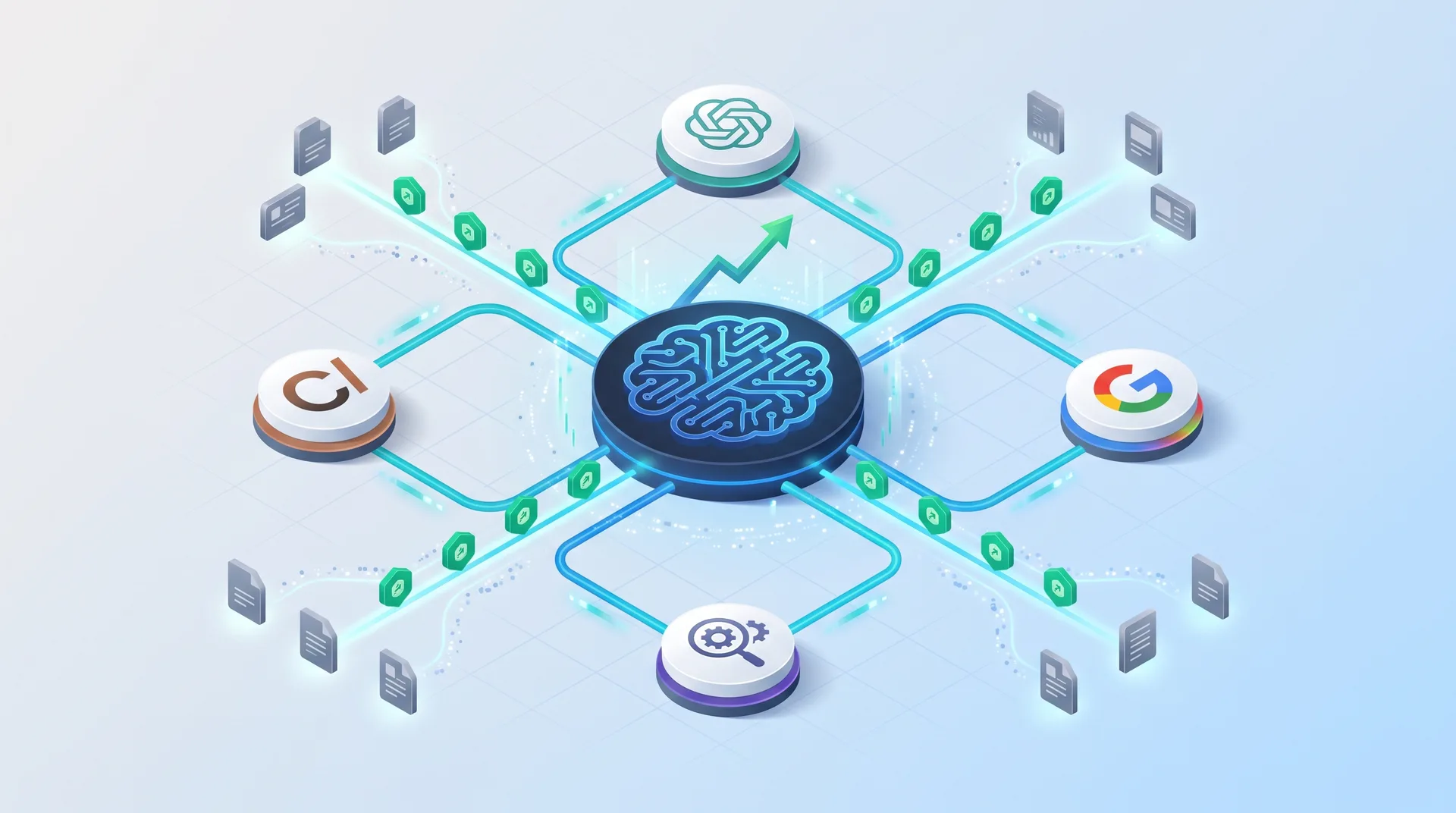
Table of contents
Summarize this article with AI
TL;DR
AI answer engines like ChatGPT, Perplexity, and Google AI Overviews are rewriting the rules of online visibility. By 2026, a significant portion of global web traffic comes from AI search, and if you're not being cited in AI-generated answers, you effectively don't exist for a growing share of consumers. Answer Engine Optimization (AEO) is the practice of structuring your content so AI systems can extract, understand, and cite it. This guide breaks down 15 proven strategies to get your brand cited in 2026.
- AI Search is Dominant. By 2026, AI answer engines account for a significant portion of global web traffic while organic search continues declining
- Citation Over Ranking. AEO focuses on being selected as a source in AI answers, not just ranking in traditional search results
- E-E-A-T is Decisive. Strong Experience, Expertise, Authoritativeness, and Trustworthiness signals determine which sources AI systems cite
- Freshness is Mandatory. Brands leading in AEO update their content quarterly to maintain citation relevance
- Structure Wins. AI systems favor clearly structured, extractable content with concise answers and logical flow
What is Answer Engine Optimization (AEO) and Why It Matters in 2026
I have been running TechDevs for years now, and I can tell you this with absolute certainty: the way people discover brands has fundamentally changed. They are not typing keywords into Google and clicking through ten blue links anymore. They are asking ChatGPT, Perplexity, and Claude direct questions and getting complete answers in seconds.
Answer Engine Optimization (AEO) is the practice of structuring your content so that AI systems can extract, understand, and cite it when generating responses. It's not about ranking number one on Google anymore. It's about being the source that ChatGPT quotes when someone asks a question in your industry.
Here is the reality: AI answer engines are expected to account for a significant portion of global web traffic by 2026, while organic search continues to decline. According to KPMG Canada's Generative AI Adoption Index, one in five Canadians already use AI tools daily for recommendations, whether they're comparing products, researching services, or validating insights from the news.
If you're not being cited, you effectively don't exist.
AEO vs SEO vs GEO: Understanding the Critical Differences
I get this question every single week: Is AEO replacing SEO?
No. But it's evolving it in a way that most people don't understand yet.
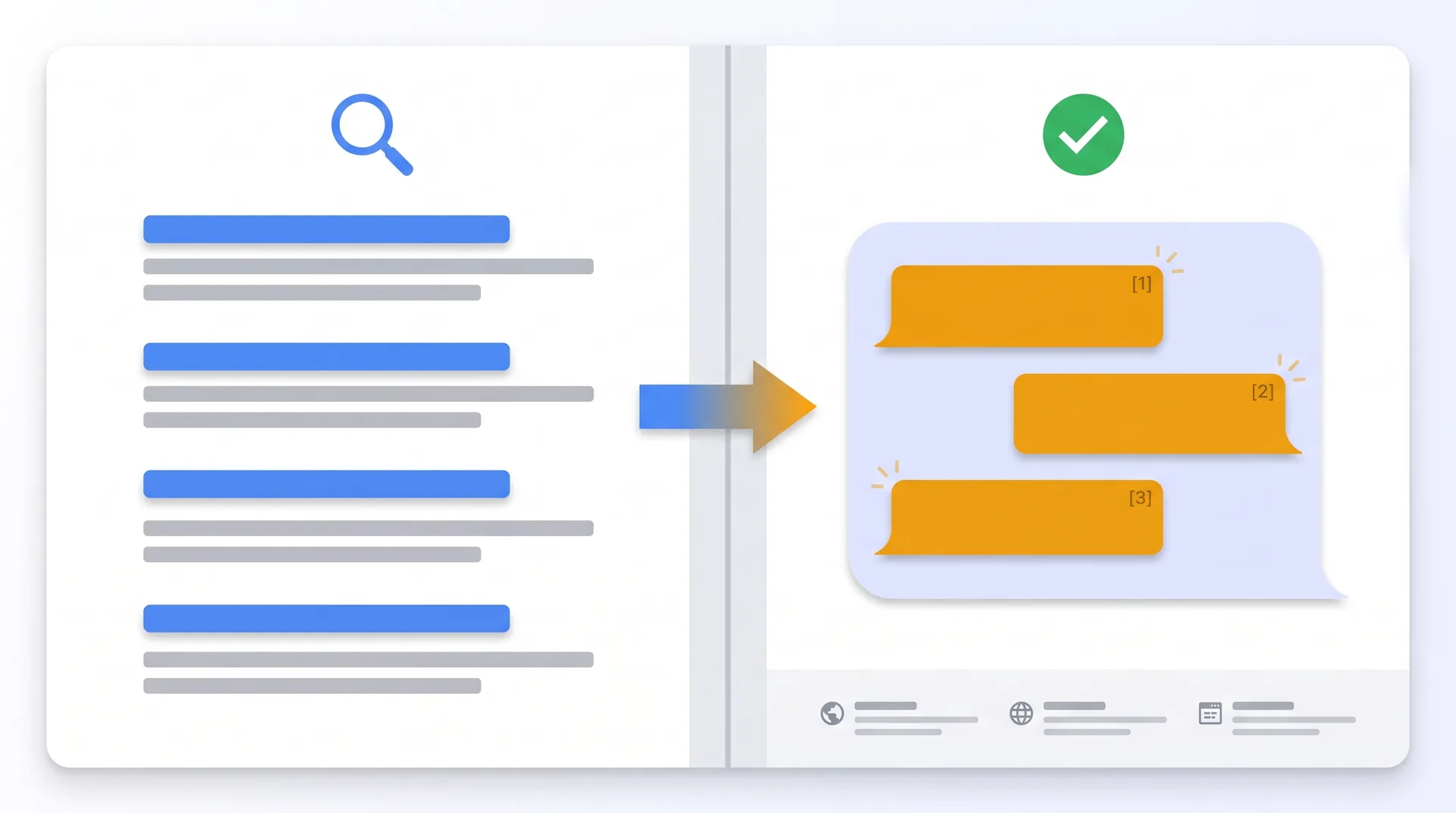
Traditional SEO is about ranking in search engine results pages. You optimize for keywords, build backlinks, fix technical issues, and hope Google puts you on page one. The goal is to drive organic traffic by satisfying search engine algorithms and matching user queries.
AEO is about optimizing your content so that AI models can easily understand and accurately present it in their responses. While traditional search engines return links, ChatGPT, Google AI Overviews, and Perplexity deliver direct answers with only a handful of selected sources. If you're not one of those sources, you get zero visibility.
Then there's GEO (Generative Engine Optimization), which focuses specifically on generative AI outputs. Think of it as a subset of AEO that targets AI models generating long-form content, summaries, and creative outputs.
SEO
Optimizes for keyword rankings and clickable results in traditional search engines like Google
AEO
Optimizes for being selected as a cited source in AI-generated answers across all AI assistants
GEO
Focuses specifically on generative AI outputs and long-form AI-generated content
The biggest mistake I see brands make is thinking they can just keep doing SEO and call it a day. Traditional SEO tactics alone won't get you cited by AI assistants. You need structured content, semantic markup, entity-based optimization, and AI-readable formats.
Pros
AEO captures users at the discovery stage before they even visit a website
AI citations provide instant credibility and authority signals
One citation can reach millions of users across multiple queries
Less competition currently as most brands haven't adapted yet
Cons
Requires different content structure and formatting than traditional SEO
Harder to measure direct ROI and attribution
AI platforms change source selection criteria frequently
No guarantee of citation even with perfect optimization
How AI Answer Engines Select and Cite Sources
I have spent the last year reverse-engineering how ChatGPT, Perplexity, and Google AI Overviews select sources. Here is what I have learned.
AI systems don't just grab the first result they find. They evaluate sources based on authority, structure, freshness, and extractability. Strong E-E-A-T signals (Experience, Expertise, Authoritativeness, Trustworthiness) are decisive in whether your content gets cited or ignored.
Think of it like this: AI models are looking for the most reliable, easily digestible source that directly answers the user's query. If your content is buried in fluff, lacks structure, or doesn't have clear authority signals, it gets skipped.
Authority signals: Author credentials, domain authority, citation from other trusted sources
Content structure: Clear headings, bullet points, tables, and extractable data blocks
Freshness: Regular updates and recent publication dates (brands leading in AEO update quarterly)
Logical flow: Information organized in a way that AI can easily parse and extract
Direct answers: Concise, specific answers to common questions without unnecessary context
And here is the part most people miss: ChatGPT, Google AI Overviews, and Perplexity have different preferences when selecting sources. Perplexity favors recent, citation-rich content. ChatGPT prioritizes authoritative educational sources. Google AI Overviews blend traditional SEO signals with AI preferences.
Common Questions About AI Source Selection
What are E-E-A-T signals and why do they matter for AEO?
E-E-A-T stands for Experience, Expertise, Authoritativeness, and Trustworthiness. These are the signals AI systems use to evaluate whether a source is credible enough to cite. Strong E-E-A-T means having author credentials, citations from trusted sources, domain authority, and demonstrated expertise in your field.
How often should I update my content for Answer Engine Optimization?
Brands leading in AEO update their content quarterly. Freshness is mandatory because AI systems prioritize recent information. If your content is outdated, it won't get cited even if the structure is perfect.
Can I track if my content is being cited by AI answer engines?
Yes, but it requires manual monitoring right now. You can search for your brand name and key topics in ChatGPT, Perplexity, and Google AI Overviews to see if you're being cited. Some tools are emerging to automate this, but the space is still early.
Do I still need traditional SEO if I'm doing AEO?
Absolutely. AEO is not replacing SEO, it's evolving it. You need both because traditional search still drives significant traffic, and many AEO tactics (like structured data and authority building) also improve your SEO performance.
What content formats work best for Answer Engine Optimization?
AI systems favor clearly structured content with bullet points, numbered lists, tables, FAQ sections, and concise direct answers. Long paragraphs of unstructured text are harder for AI to extract and cite.
The 5 Biggest Levers for Answer Engine Optimization Success
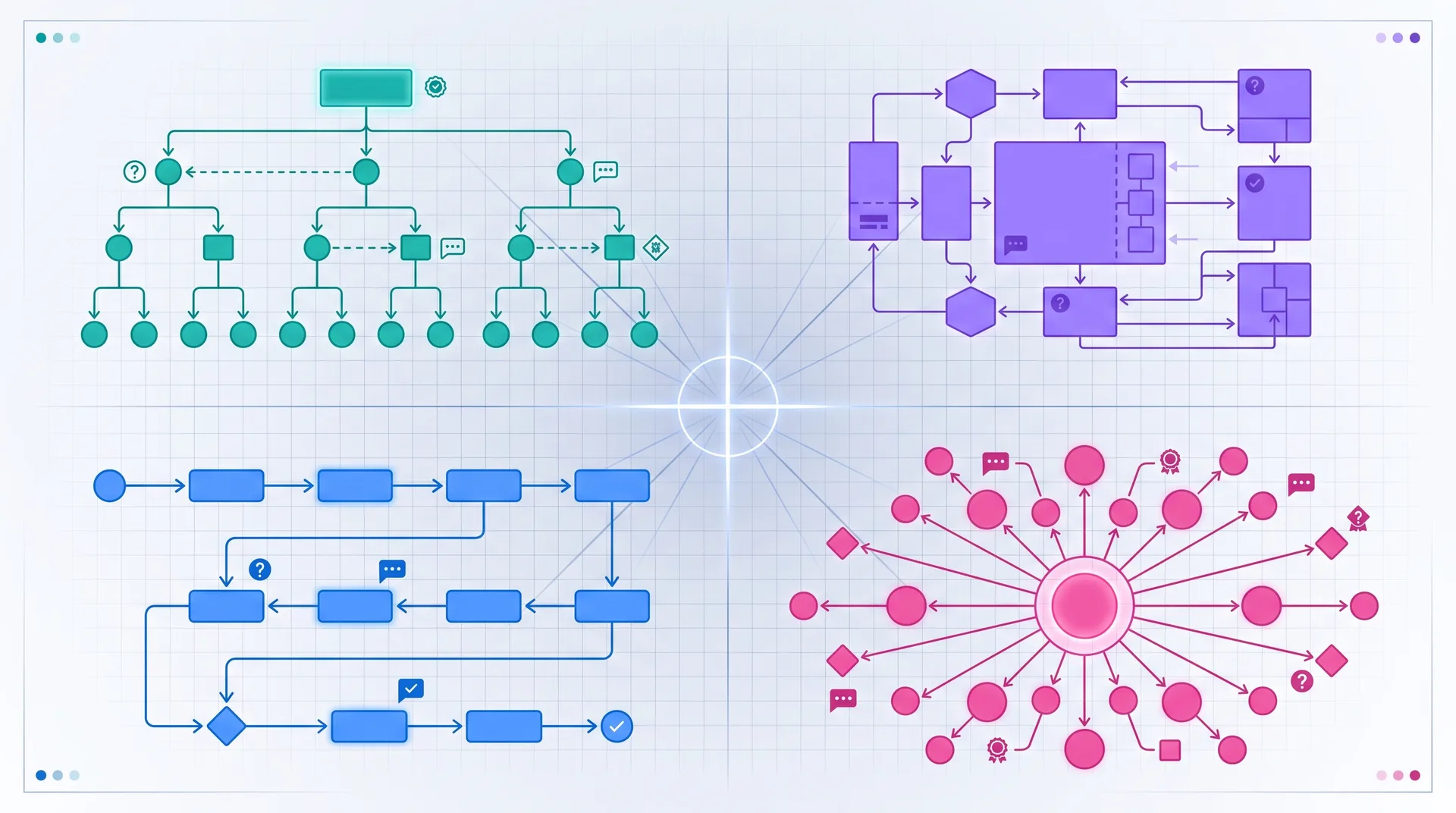
After optimizing hundreds of pages for AEO, I have identified five levers that matter more than anything else. Focus on these and you will see results faster than trying to optimize everything at once.
Content Structure
Clear hierarchies, extractable answers, bullet points, and tables that AI can easily parse and quote
Authority Signals
Strong E-E-A-T through author credentials, citations, domain authority, and trust indicators
Freshness
Regular quarterly updates to maintain relevance and signal that your content is current
Platform Optimization
Tailored tactics for ChatGPT, Perplexity, Google AI Overviews based on their unique preferences
Conversational Queries
Optimization for question-based, natural language queries instead of traditional keywords
Most brands obsess over keywords. But AI answer engines don't think in keywords. They think in entities, concepts, and relationships. You need to shift from "how do I rank for this keyword" to "how do I become the authoritative source on this topic."
15 Proven Answer Engine Optimization Strategies for 2026
These are the exact strategies we use at TechDevs to get our clients cited in AI-generated answers. I have tested every single one of these.
1. Structure content with clear hierarchies and extractable answers
Use H2 and H3 headings to create a logical content hierarchy. Place concise, direct answers at the beginning of each section. AI systems scan for these structured answer blocks first.
2. Implement comprehensive schema markup and structured data
Add schema.org markup to explicitly tell AI what your content means, not just what it says. Use Article, FAQPage, HowTo, and Product schemas depending on your content type.
3. Create concise, direct answers at the beginning of content
Answer the main question in the first 2-3 sentences. Then expand with details, examples, and context. AI models prioritize content that gets to the point fast.
4. Build strong E-E-A-T signals through author credentials and citations
Add author bios with credentials. Cite authoritative sources. Get backlinks from trusted domains. These signals tell AI your content is credible enough to cite.
5. Update content quarterly to maintain freshness
Set a quarterly content refresh schedule. Update statistics, add new examples, and revise outdated information. Freshness is mandatory for AI citation.
6. Optimize for conversational, question-based queries
Write content that answers how people actually ask questions in AI tools. Use natural language and question formats like "How do I..." or "What is the best way to..."
7. Use bullet points, lists, and tables for easy data extraction
AI systems extract data from structured formats more easily than dense paragraphs. Break information into scannable lists, comparison tables, and numbered steps.
8. Add FAQ sections targeting specific AI queries
Create FAQ sections with questions your audience asks AI tools. Each answer should be concise, direct, and extractable as a standalone response.
9. Include statistics, data points, and cited sources
AI models favor content with verifiable data. Include specific numbers, percentages, and statistics. Always cite your sources with links.
10. Create platform-specific content variations
Tailor content for different AI platforms. ChatGPT prefers educational depth. Perplexity favors recent citations. Google AI Overviews blend SEO signals with AI preferences.
11. Leverage entity-based optimization over keywords
Focus on becoming the authoritative source on entities (people, places, things, concepts) rather than just ranking for keywords. Build topical authority.
12. Build topical authority through content clusters
Create comprehensive content clusters around core topics. Interlink related articles. This signals to AI that you're an authority on the entire subject area.
13. Optimize meta descriptions for AI understanding
Write meta descriptions that clearly summarize what the page covers. AI systems use these to determine relevance before extracting content.
14. Use natural language and conversational tone
Write like a human explaining something to another human. AI models are trained on conversational text and favor natural language over robotic corporate speak.
15. Monitor and analyze AI citation performance
Track which content gets cited across different AI platforms. Analyze patterns in what works. Double down on formats and topics that get citations.
The brands winning at AEO right now are not doing anything magical. They are just executing these fundamentals consistently while their competitors are still debating whether AI search matters.
AEO Implementation Checklist
Audit existing content for AI-readability and structure
Add schema markup to all key pages
Restructure content with clear hierarchies and extractable answers
Create or enhance FAQ sections targeting AI queries
Build author credentials and E-E-A-T signals
Set up quarterly content refresh schedule
Start monitoring AI citation performance
Platform-Specific AEO Tactics: ChatGPT, Claude, Perplexity & Google AI Overviews
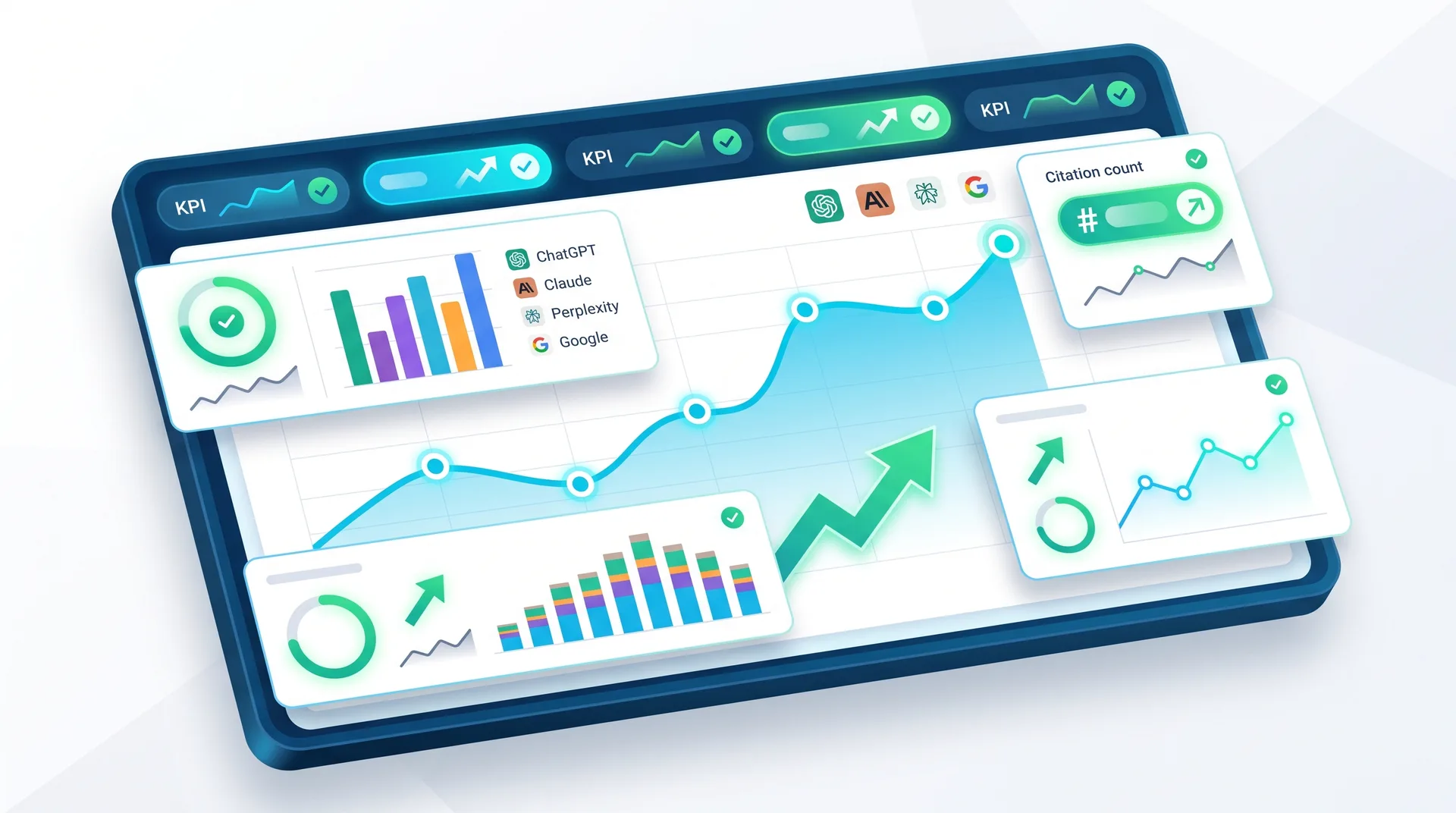
Here is what nobody tells you: each AI platform has unique preferences for source selection. What works for ChatGPT might not work for Perplexity. You need platform-specific tactics.
I have run tests across all four major platforms. Here is what I have found.
ChatGPT
Prioritizes authoritative, well-structured educational content. Favors comprehensive explanations with clear examples. Longer-form content performs well if properly structured.
Perplexity
Favors recent, citation-rich sources with clear data points. Loves statistics, numbered lists, and comparative content. Recency matters more here than other platforms.
Google AI Overviews
Integrates traditional SEO signals with AI preferences. Domain authority and backlinks still matter. Structured data and schema markup are critical.
Claude
Values nuanced, comprehensive explanations with context. Prefers content that addresses multiple perspectives and provides depth over brevity.
The biggest opportunity right now is Perplexity. Most brands are still focused on Google and ChatGPT. Perplexity's user base is growing fast and competition for citations is lower.
For ChatGPT: Focus on comprehensive educational content with clear structure and examples
For Perplexity: Prioritize fresh content with statistics, citations, and comparative data
For Google AI Overviews: Maintain strong traditional SEO while adding structured data
For Claude: Provide nuanced, multi-perspective explanations with contextual depth
Don't try to optimize for all four at once. Pick the platform where your audience spends the most time. Master that first. Then expand.
Measuring Your Answer Engine Optimization Performance
The hardest part of AEO is measurement. There is no AEO equivalent of Google Search Console yet. You have to track manually.
Here is how we measure AEO performance at TechDevs.
AEO Performance Tracking
Search your brand name and key topics in ChatGPT, Perplexity, and Google AI Overviews weekly
Track citation frequency across different AI platforms in a spreadsheet
Monitor brand mentions in AI-generated responses
Analyze which content formats get cited most often
Measure traffic from AI referrals using UTM parameters
Use AI tools to audit your content's extractability
Set quarterly benchmarks for AEO improvements
We also track indirect signals: increases in branded search, direct traffic spikes after major AI citations, and changes in domain authority.
Building Your 2026 AEO Strategy: Action Plan for Marketing Teams
Most marketing teams are paralyzed by AEO because it feels like learning SEO all over again. It's not that complicated.
Here is your action plan.
90-Day AEO Implementation Plan
Week 1-2: Audit your top 20 pages for AI-readiness and citation potential
Week 3-4: Prioritize your 5 highest-value pages for immediate AEO optimization
Week 5-6: Restructure those 5 pages with clear hierarchies, extractable answers, and schema markup
Week 7-8: Add FAQ sections targeting specific AI queries to those pages
Week 9-10: Build E-E-A-T signals through author bios and authoritative citations
Week 11-12: Start manual citation tracking and measure baseline performance
Month 4+: Expand to next 15 pages and establish quarterly refresh schedule
The key is not trying to optimize everything at once. Focus on your highest-value content first. Get wins. Build momentum. Then scale.
The brands that integrate AEO into their existing workflows instead of treating it as a separate project will move faster and see better results. AEO is not a replacement for SEO. It's an evolution.
Prithvi Jadwani, TechDevs
And honestly? The window is closing faster than most brands realize. The brands moving now are taking uncontested AI territory. By the time most marketers decide to act, their competitors will have already built authority that's hard to displace.
If you need help implementing AEO for your brand, we have done this for 250+ clients. We know what works and what's a waste of time. Let's talk about getting your content cited in AI-generated answers.
Get Your Content Cited in AI-Generated Answers
We have implemented Answer Engine Optimization for 250+ clients and generated $35M+ in client revenue. If you want your brand cited in ChatGPT, Perplexity, and Google AI Overviews, let's build your AEO strategy together.