How to Build a Clothing Brand in 2026: The Ultimate SEO & CRO Checklist
Complete guide & checklist for building a successful clothing brand in 2026. Learn SEO optimization & CRO strategies to boost sales. Start your fashion empire today!
 Written byPrithvi Jadwani
Table of contents
Summarize this article with AI
TL;DR
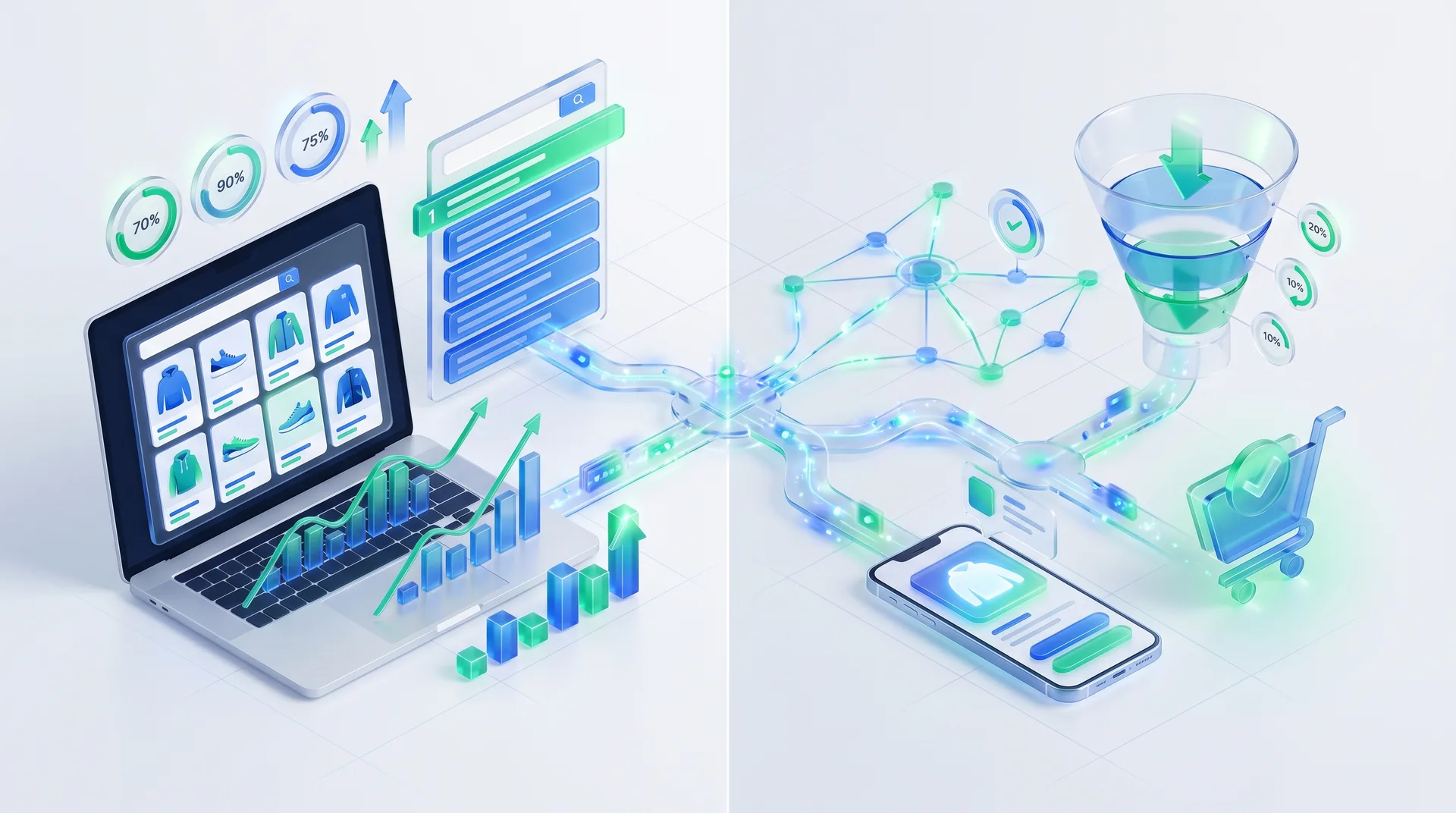
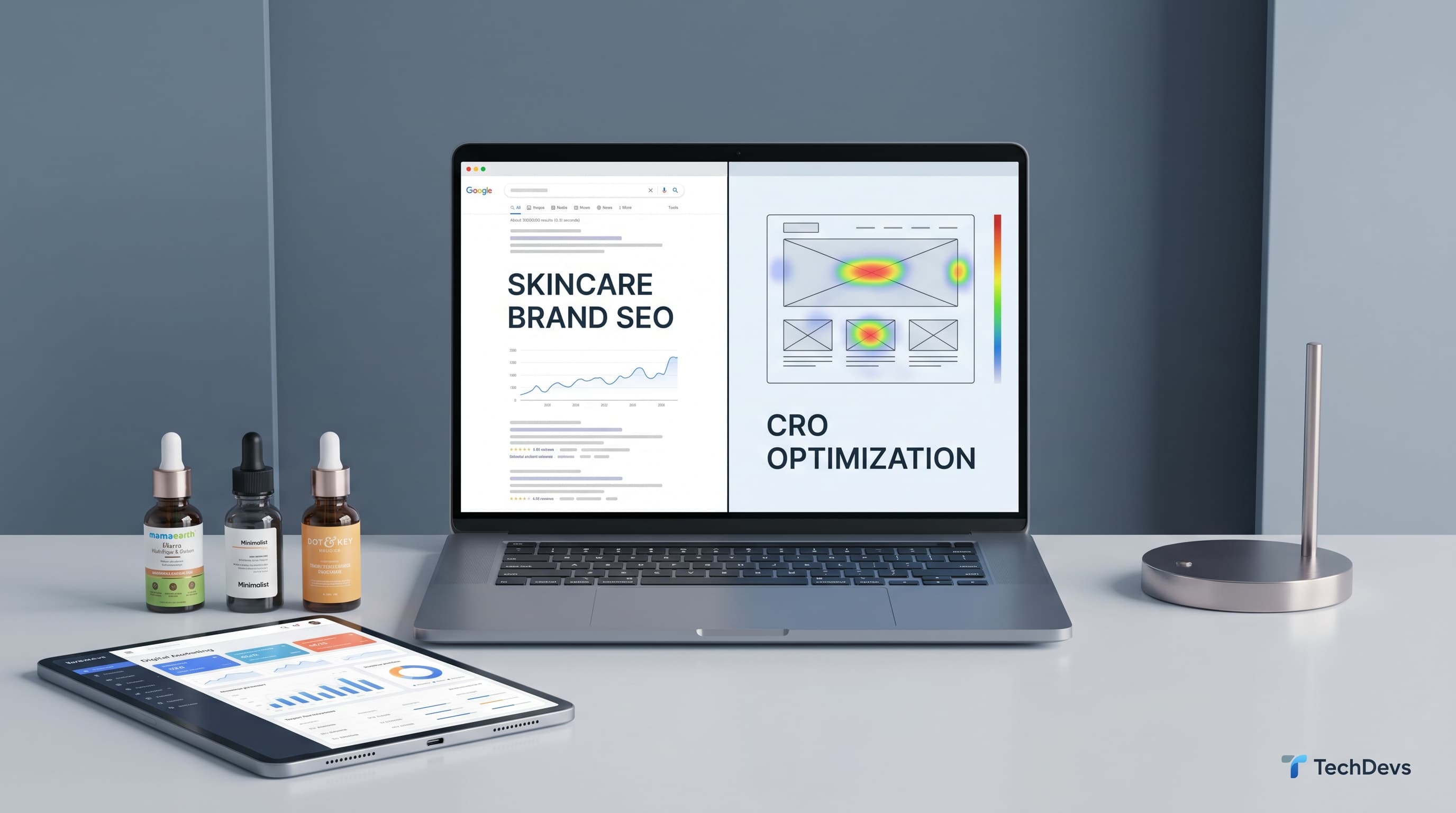
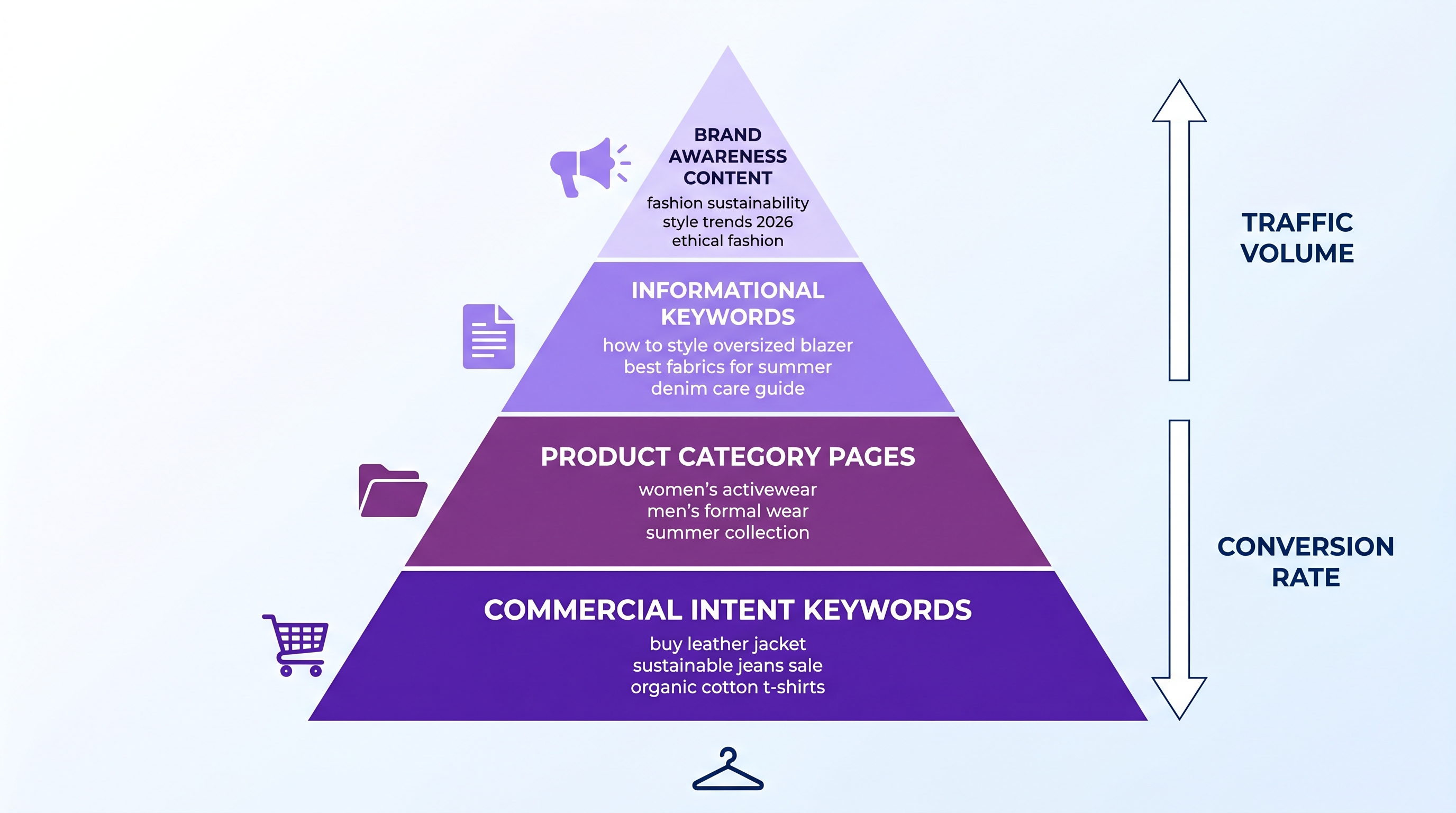
Building a clothing brand in 2026 means mastering two things: getting found (SEO) and getting bought (CRO). The fashion ecommerce space is more competitive than ever, but brands that nail technical optimization, content strategy, and conversion tactics are seeing 3-5x better customer acquisition costs than those relying on paid ads alone. This guide walks you through the exact playbook we use at TechDevs to launch optimized fashion brands in 90 days instead of 12 months.
- SEO + CRO = Lower CAC. Fashion brands with optimized organic search and conversion funnels acquire customers at 3-5x lower cost than ad-dependent competitors
- Technical Foundation First. Core Web Vitals, mobile-first indexing, and structured data are non-negotiable for fashion sites in 2026
- AI Accelerates Everything. Product descriptions, image optimization, and personalization that used to take months now happen in days with the right AI tools
- Content Builds Authority. Strategic blog content, digital PR, and influencer partnerships create compound SEO growth over time
- Mobile CRO Is Critical. Over 70% of fashion purchases happen on mobile, your checkout flow better be thumb-friendly
Why 2026 Is the Perfect Time to Build a Clothing Brand (And Why SEO + CRO Matter More Than Ever)
The fashion ecommerce game has changed. Five years ago, you could throw money at Facebook ads, get cheap clicks, and build a brand. Not anymore. Customer acquisition costs have tripled. Ad fatigue is real. And honestly? Most new clothing brands are bleeding cash on paid traffic that doesn't convert.
But here's what nobody talks about: the brands winning right now aren't the ones with the biggest ad budgets. They're the ones that show up in organic search and actually convert that traffic into customers. SEO and CRO aren't nice-to-haves anymore. They're the difference between profitability and burning through your seed funding in six months.
The shift is obvious when you look at how people shop now. They search "sustainable activewear" or "minimalist streetwear brands" on Google, scroll TikTok for style inspiration, and expect your site to load in under two seconds. If your technical SEO is broken or your product pages don't convert, you're invisible.
Foundation First: Technical SEO Essentials for Fashion Ecommerce Sites
Most clothing brands skip technical SEO and wonder why they're not ranking. You can have the best product photography and brand story in the world, but if Google can't crawl your site properly or your pages take five seconds to load, you're dead in the water.
Fashion sites have unique technical challenges. You're dealing with hundreds or thousands of product images, complex category structures, size and color variations, and international shipping. Get the foundation wrong and you're fighting an uphill battle.
Technical SEO Checklist for Fashion Brands
Site architecture with clear category hierarchy (Collections > Category > Subcategory > Product)
Clean URL structure using hyphens, no session IDs or parameters
Core Web Vitals targets: LCP under 2.5s, CLS under 0.1, INP under 200ms
Mobile-first responsive design with touch-optimized navigation
Structured data markup for products, reviews, sizing, and availability
Image optimization using WebP or AVIF formats with lazy loading
International SEO setup with hreflang tags and multi-currency support
XML sitemap with priority weighting for key category and product pages
The Core Web Vitals piece is critical. Fashion sites are image-heavy by nature, but Google doesn't care. Your Largest Contentful Paint needs to be under 2.5 seconds or you're losing rankings. We've seen brands improve their LCP by 60% just by switching to next-gen image formats and implementing proper lazy loading.
Common Technical SEO Questions
How do I handle duplicate content from product variations?
Use canonical tags to point color and size variations to a single master product URL. Don't create separate pages for every variation unless the products are substantially different. Google sees 'Blue T-Shirt' and 'Red T-Shirt' as duplicate content if the descriptions are identical.
Should I use Shopify or WooCommerce for better SEO?
Both can rank well if configured properly. Shopify is easier out of the box and handles technical SEO basics automatically. WooCommerce gives you more control but requires more technical expertise. For most new brands, Shopify's speed and reliability outweigh WooCommerce's flexibility.
What's the right way to structure categories for SEO?
Keep it shallow. Aim for a maximum of 3 clicks from homepage to any product. Use a structure like: Homepage > Gender/Collection > Category > Product. Avoid deep nesting like Homepage > Gender > Season > Style > Subcategory > Product. Google and users both prefer simplicity.
How important is site speed for fashion ecommerce?
Critical. A one-second delay in page load time can reduce conversions by 7%. Fashion shoppers are impatient. If your product pages don't load instantly on mobile, they're bouncing to a competitor. Aim for under 2 seconds on 4G networks.
How to Build a Clothing Brand's Content Strategy: Keywords, Categories & Product Pages
Content strategy for fashion brands isn't about churning out generic blog posts. It's about understanding search intent and building topical authority in your specific niche. Are you selling sustainable activewear? Luxury basics? Streetwear? Your keyword strategy should reflect that focus ruthlessly.
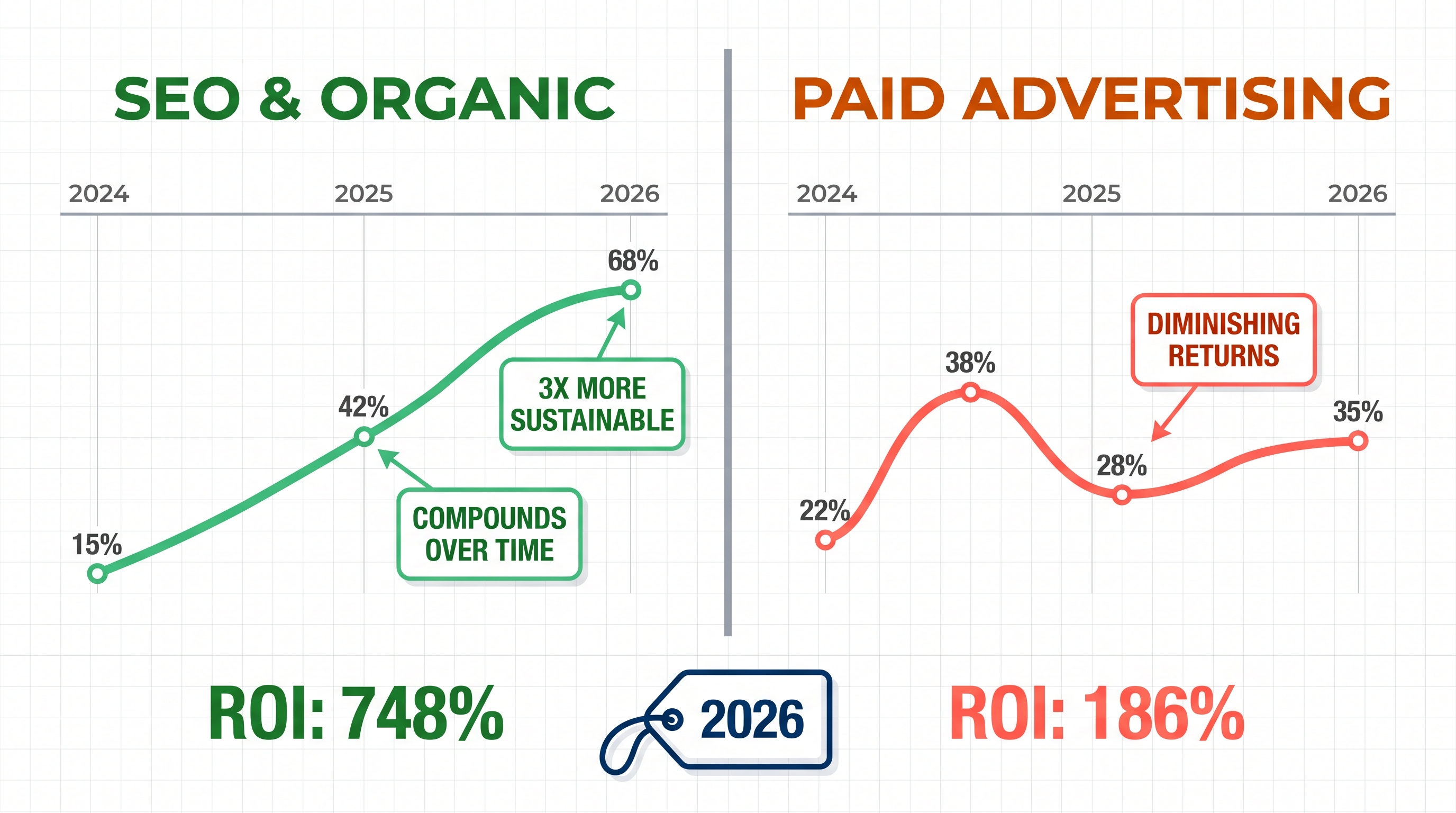
Start with commercial intent keywords. These are the searches where people are ready to buy: 'organic cotton t-shirts,' 'minimalist sneakers,' 'affordable linen dresses.' These should map directly to your category and product pages. Informational content comes second.
High-intent commercial keywords: Target these on category and product pages (e.g., 'sustainable yoga pants,' 'men's linen shirts')
Informational keywords: Build blog content around these (e.g., 'how to style oversized blazers,' 'best fabrics for summer')
Brand-adjacent keywords: Capture searches related to your niche (e.g., 'ethical fashion brands,' 'zero-waste clothing')
Long-tail product keywords: Optimize for specific combinations (e.g., 'black organic cotton crew neck t-shirt women')
Comparison keywords: Create content for 'X vs Y' searches in your category
Product page SEO is where most brands fail. They use manufacturer descriptions, duplicate content across variations, and write for themselves instead of customers. Your product titles need to include the exact phrases people search for. 'The Essential Tee' means nothing to Google. 'Organic Cotton Crew Neck T-Shirt' does.
Unique Product Descriptions
Never use manufacturer copy. Write original descriptions that include target keywords naturally and answer customer questions about fit, fabric, and care.
Optimized Category Pages
Include 200-300 words of unique content above the product grid explaining what makes this category special and what shoppers should consider.
Blog Content That Ranks
Style guides, sizing advice, fabric education, and how-to content that builds topical authority and captures informational searches.
AI tools have changed the game for scaling product descriptions. We use custom-trained models that maintain brand voice while generating unique, SEO-optimized copy for hundreds of products. But here's the key: you still need human oversight. AI can draft, but humans need to refine and ensure accuracy.
Building Authority: Link Building & Brand Visibility Strategies for Apparel Brands
You can optimize your site perfectly, but if you don't have authority in Google's eyes, you're not ranking for competitive terms. Authority comes from backlinks, but not just any backlinks. Fashion brands need links from publications, influencers, and industry sites that actually matter.
Digital PR works differently for fashion than it does for SaaS or B2B. You're not pitching case studies or whitepapers. You're pitching stories: your sustainability journey, your founder's background, your unique manufacturing process, or your stance on industry issues. Publications like Vogue, Refinery29, and Fashionista don't link to brands that just want promotion. They link to brands with interesting stories.
Founder story angles: Why you started the brand, what problem you're solving, your background in fashion or sustainability
Sustainability narratives: Transparent supply chain stories, ethical manufacturing partnerships, carbon-neutral shipping
Product innovation: Unique fabrics, new construction techniques, or technology integration (like AR try-on)
Influencer collaborations: Co-designed collections or long-term brand partnerships that generate coverage and links
User-generated content campaigns: Hashtag campaigns that encourage customers to share photos and stories
Industry certifications: B Corp, Fair Trade, GOTS certifications that come with directory listings and press opportunities
Top fashion SEO agencies like First Page Sage, which works with brands like Chanel and bella + canvas, focus on building genuine authority through strategic partnerships and thought leadership content, not spammy link schemes.
First Page Sage, The Top Fashion & Apparel SEO Agencies of 2026
Influencer partnerships are tricky. Most influencer links are nofollow and don't pass SEO value directly. But they drive traffic, build brand awareness, and often lead to earned media coverage that does generate quality backlinks. The key is working with influencers who align with your brand values and have engaged audiences, not just big follower counts.
And here's something most brands miss: strategic partnerships with complementary businesses. If you sell sustainable activewear, partner with eco-friendly yoga studios, wellness brands, or environmental nonprofits. Cross-promotion, co-marketing campaigns, and shared content create natural link opportunities that Google actually values.
Emerging Channel SEO: TikTok, Instagram Shopping & AR Try-On Optimization
Google isn't the only search engine that matters anymore. Gen Z starts product searches on TikTok. Instagram Shopping has become a discovery engine. And AR try-on technology is changing how people evaluate fit and style before buying.
TikTok SEO is real. The app's search function is massively underutilized by brands. People search for style inspiration, product reviews, and 'get ready with me' content featuring specific items. If your products aren't showing up in TikTok search results, you're missing a huge discovery channel.
TikTok Search Optimization
Use keyword-rich captions, hashtags that match search terms, and voice-over text that includes product names and descriptors. The algorithm reads everything.
Instagram Shopping Catalog
Optimize product titles, descriptions, and tags in your catalog feed. Instagram's discovery algorithm surfaces products based on user interests and past behavior.
AR Try-On Technology
Virtual try-on reduces returns by 30-40% and increases conversion rates. Plus, it generates engagement signals that boost your visibility in platform algorithms.
Cross-Platform Analytics
Track which social channels drive the highest-converting traffic to your main site. Double down on what works and cut what doesn't.
The biggest mistake brands make with social commerce is treating it as separate from their main ecommerce strategy. Your Instagram Shopping catalog should feed from the same product data as your website. Your TikTok content should drive traffic to optimized landing pages. Everything should connect.
Conversion Rate Optimization: Turning Fashion Traffic Into Paying Customers
You can drive all the traffic in the world, but if your site doesn't convert, you're just burning money. Fashion ecommerce has unique CRO challenges: high return rates, sizing anxiety, and visual-first decision-making. Get these wrong and you're leaving 70% of potential revenue on the table.
Let's start with the obvious: your product pages need to sell. That means high-quality images from multiple angles, zoom functionality, videos showing the product in motion, detailed size charts, and real customer reviews. But most brands stop there. They don't test, they don't iterate, and they wonder why their conversion rate is stuck at 1.5%.
Homepage optimization: Clear value proposition above the fold, featured collections with strong imagery, trust signals (free shipping, returns, certifications)
Product page elements: 6-8 high-res images minimum, size guide with measurements, fabric details, care instructions, styling suggestions
Checkout flow: Guest checkout option, progress indicator, multiple payment methods, address autocomplete, clear shipping costs
Mobile-specific CRO: Large touch targets, sticky add-to-cart button, simplified navigation, quick-view functionality
Urgency and scarcity: Low stock indicators, recently viewed items, social proof ('127 people viewing this item'), limited-time offers
Personalization: Product recommendations based on browsing history, abandoned cart recovery emails, post-purchase upsells
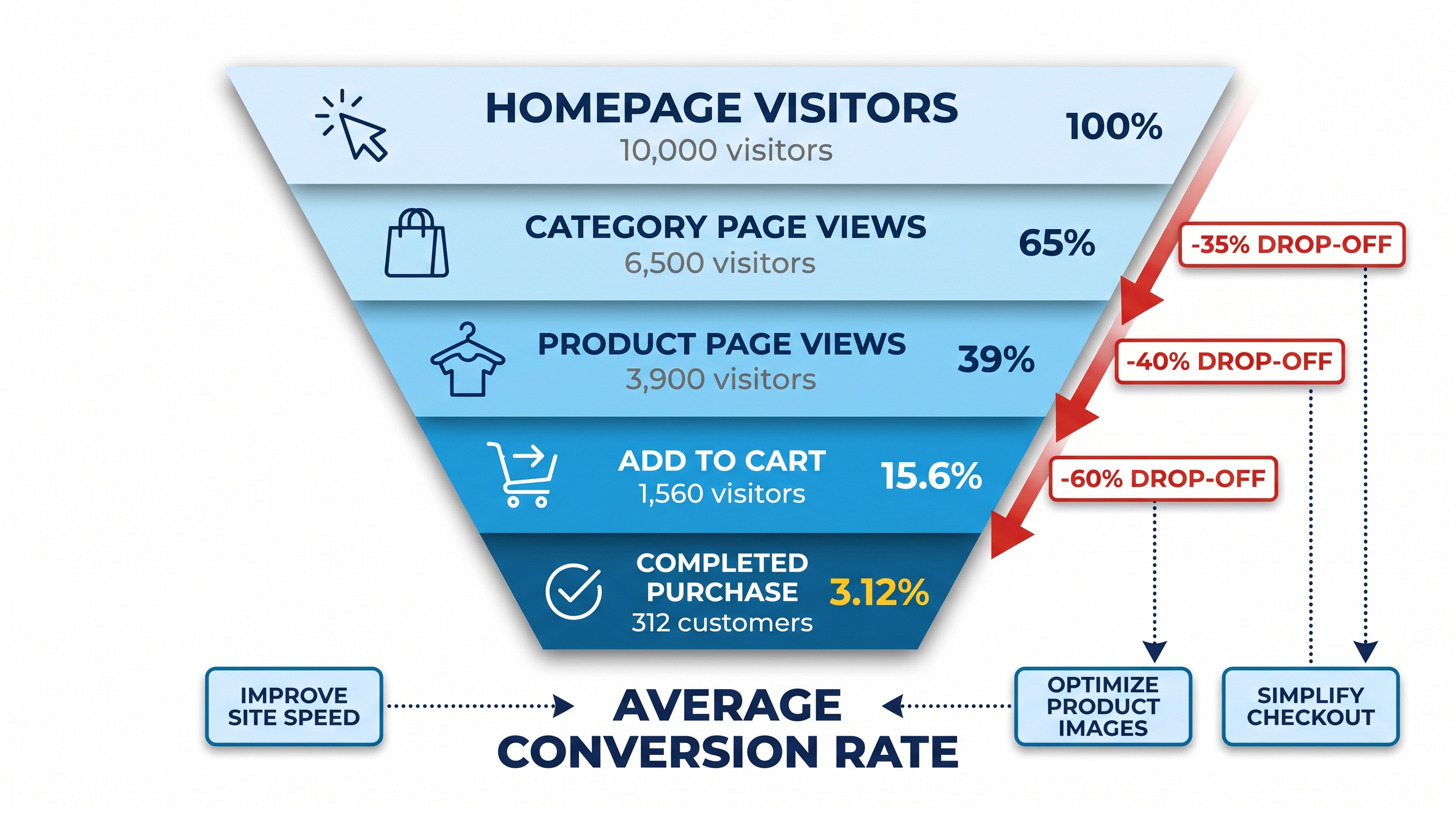
The checkout abandonment rate for fashion ecommerce averages around 70%. That's not a typo. Seven out of ten people who add items to their cart never complete the purchase. The reasons are predictable: unexpected shipping costs, complicated checkout forms, lack of trust signals, or simply getting distracted.
Pros
Single-page feels faster and simpler for desktop users
Reduces perceived friction by showing everything at once
Works well for brands with simple product lines and shipping
Cons
Multi-step performs better on mobile devices (less scrolling)
Progress indicators reduce anxiety about checkout length
Easier to optimize individual steps based on drop-off data
AI-powered personalization is where CRO gets interesting. We're using predictive models that analyze browsing behavior, purchase history, and demographic data to surface the exact products each visitor is most likely to buy. It's not magic, it's math. And it works.
The Tech Stack: Integrating SEO, CRO & AI Tools for Maximum Efficiency
Your tech stack either accelerates growth or creates bottlenecks. Fashion brands need tools that handle large product catalogs, automate repetitive tasks, and provide actionable insights. But most brands over-complicate this. You don't need 47 different tools. You need the right 8-10.
Platform choice matters more than people think. Shopify dominates fashion ecommerce for good reasons: it's fast, secure, handles scaling well, and has an app ecosystem that solves most problems. WooCommerce gives you more control but requires technical expertise. Headless commerce is overkill unless you're doing something truly custom.
Essential Tools by Category
Ecommerce Platform
Shopify for most brands (ease of use, speed, reliability). WooCommerce if you need deep customization and have technical resources. BigCommerce if you're B2B or have complex catalog requirements. Avoid building custom unless you have serious budget and technical team.
SEO Tools
Screaming Frog for technical audits and site crawling. Ahrefs or Semrush for keyword research and competitor analysis. Google Search Console for performance monitoring (free and essential). Schema markup generator for structured data implementation.
CRO and Analytics
Google Analytics 4 for traffic and conversion tracking. Hotjar or Microsoft Clarity for heatmaps and session recordings. VWO or Optimizely for A/B testing. Klaviyo for email marketing and abandoned cart recovery.
AI-Powered Tools
Custom AI models for product description generation at scale. Jasper or Copy.ai for marketing copy if you don't have custom models. Remove.bg or Clipping Magic for automated image background removal. Canva or Figma with AI plugins for design work.
Image Optimization
Cloudinary or Imgix for automated image optimization and CDN delivery. TinyPNG for bulk compression. Squoosh for manual optimization of hero images. Always serve WebP or AVIF formats with JPEG fallbacks.
The mistake most brands make is treating these tools as separate systems. Your SEO tool should inform your content strategy. Your analytics should drive your CRO tests. Your AI tools should integrate with your product catalog. Everything should talk to everything else.
Tech Stack Integration Checklist
Ecommerce platform connected to Google Analytics 4 with enhanced ecommerce tracking
Product catalog synced across website, Instagram Shopping, and Google Merchant Center
Email marketing platform integrated with customer data and purchase history
CRO tools tracking user behavior on key pages (product, category, checkout)
SEO monitoring tools alerting you to technical issues and ranking changes
AI content tools connected to your product data and brand voice guidelines
At TechDevs, we've built custom integrations that let AI tools pull product data, generate optimized descriptions, and push updates directly to Shopify or WooCommerce. What used to take a team of writers two weeks now happens in a few hours. That's the power of proper automation.
Sustainability Meets SEO: Marketing Your Ethical Fashion Brand
Sustainable fashion isn't a niche anymore. It's expected. And the search volume for sustainability-related keywords has grown over 200% in the past three years. If you're building an ethical brand, you have a massive SEO opportunity. But you also have a responsibility not to greenwash.
Transparency pages are your secret weapon. Document your supply chain, show your manufacturing partners, explain your material choices, and share your carbon footprint data. This content builds trust with customers and earns links from sustainability-focused publications and directories.
Sustainability landing page: Central hub explaining your environmental and social commitments with specific data
Supply chain transparency: Name your factories, show working conditions, explain fair wage policies
Material deep-dives: Blog content explaining why you chose organic cotton, recycled polyester, or Tencel
Certifications and partnerships: GOTS, Fair Trade, B Corp, 1% for the Planet (all come with backlinks)
Impact reports: Annual or quarterly updates on carbon reduction, waste diversion, and social impact
Behind-the-scenes content: Video tours of factories, interviews with makers, stories from your supply chain
The SEO value of sustainability content is real. Keywords like 'ethical clothing brands,' 'sustainable fashion,' and 'eco-friendly apparel' have high search volume and relatively low competition compared to generic fashion terms. Plus, sustainability-focused shoppers have higher lifetime value and lower return rates.
Community building around sustainability creates organic link opportunities. Host clothing swaps, partner with environmental nonprofits, sponsor beach cleanups, or run educational workshops about textile waste. These activities generate local press coverage, social media buzz, and natural backlinks.
Your 90-Day Launch Checklist: From Zero to Optimized Clothing Brand
Most clothing brands take 12-18 months to launch properly. They spend months on product development, then realize they need a website, then scramble to figure out marketing. By the time they're live, they've burned through half their budget and have zero organic visibility.
We do it in 90 days. Not by cutting corners, but by running SEO, CRO, and content development in parallel using AI-powered workflows. Here's the exact timeline we follow.
Days 1-30: Foundation Phase
Domain purchase and Shopify/WooCommerce setup with optimized theme
Site architecture planning: category structure, URL patterns, navigation
Technical SEO implementation: Core Web Vitals optimization, mobile responsiveness, structured data
Product photography and image optimization (WebP conversion, compression, alt text)
AI-generated product descriptions for initial catalog (50-100 products)
Google Analytics 4, Search Console, and conversion tracking setup
Initial keyword research and content calendar creation
Days 31-60: Content & Visibility Phase
Launch 10-15 blog posts targeting informational keywords in your niche
Category page optimization with unique content and internal linking
Digital PR outreach: founder story pitches to 30-50 relevant publications
Influencer partnership outreach (10-20 micro-influencers in your niche)
Social media setup: Instagram, TikTok, Pinterest with optimized profiles
Email marketing setup: welcome series, abandoned cart flow, post-purchase sequence
First round of CRO testing: homepage layout, product page elements, checkout flow
Days 61-90: Optimization & Scaling Phase
Analyze first 30 days of traffic and conversion data, identify bottlenecks
Implement CRO improvements based on heatmap and session recording data
Scale content production: 20-30 additional blog posts, style guides, lookbooks
Launch paid campaigns to supplement organic traffic (Google Shopping, Meta ads)
Build out FAQ content based on customer questions and support tickets
Implement personalization: product recommendations, dynamic homepage content
Review and refine: what's working, what's not, where to focus next 90 days
The key metrics you should be tracking from day one: organic traffic growth, conversion rate by traffic source, average order value, customer acquisition cost, and return rate. These tell you if your SEO and CRO efforts are actually working or if you're just generating vanity metrics.
Organic Traffic Growth
Target 20-30% month-over-month growth in the first 6 months. Slower is fine if conversion rate is strong.
Conversion Rate
Aim for 2-3% overall, 3-5% for organic search traffic. Fashion ecommerce averages 1.5-2%, so beating that is the goal.
Customer Acquisition Cost
Organic should be 3-5x lower than paid channels. If it's not, your SEO strategy needs work.
Should you hire specialists or use AI tools? Depends on your budget and technical comfort. AI can handle product descriptions, basic image editing, and data analysis. But you still need humans for strategy, quality control, and creative direction. Most successful brands use a hybrid approach.
Frequently Asked Questions
How much does it cost to start a clothing brand with proper SEO in 2026?
Budget $15,000-$30,000 for a proper launch including product development, ecommerce platform, professional photography, initial inventory, and 90 days of SEO/CRO work. You can go cheaper by doing more yourself, but expect to invest significant time. Most brands that try to launch for under $10,000 end up rebuilding everything within 6 months.
What's a good conversion rate for a new fashion ecommerce site?
Industry average is 1.5-2% for fashion ecommerce. New sites typically start around 1% and improve to 2-3% within 6 months with proper CRO work. If you're hitting 3%+ consistently, you're in the top 20% of fashion brands. Anything under 1% means you have serious UX or trust issues to fix.
How long does it take to rank for competitive clothing brand keywords?
Expect 6-12 months to rank on page one for moderately competitive keywords like 'sustainable activewear' or 'minimalist streetwear.' Brand name keywords should rank within 30 days. Highly competitive terms like 'women's jeans' or 'men's t-shirts' can take 12-18 months or may never rank without significant authority building.
Should I use Shopify or WooCommerce for my clothing brand's SEO?
Shopify for 90% of new brands. It handles technical SEO well out of the box, loads fast, and scales easily. WooCommerce gives you more control but requires WordPress expertise and ongoing maintenance. Only choose WooCommerce if you have specific customization needs or an existing WordPress site. Both can rank well when configured properly.
Do I need to hire a fashion SEO agency or can I do it myself?
You can handle basic SEO yourself if you're technical and willing to learn. But agencies bring industry connections, link building networks, and experience that's hard to replicate. If your budget allows, hire specialists for link building and technical audits while handling content creation in-house. Agencies like those working with major fashion brands typically charge $5,000-$15,000/month.
How do I optimize product images for SEO without slowing down my site?
Convert all images to WebP or AVIF format, compress to under 100KB per image, implement lazy loading, use a CDN for delivery, and include descriptive alt text with target keywords. Tools like Cloudinary or Imgix automate this process. Never upload images larger than 2000px wide. Most product images can be 1200px wide at 80% quality with no visible loss.
What are the most important SEO metrics to track for a clothing brand?
Organic traffic growth, keyword rankings for target terms, conversion rate by traffic source, pages per session, bounce rate on product pages, and backlink acquisition rate. Also track Core Web Vitals scores monthly. Most brands obsess over rankings but ignore conversion rate, which is backwards. A page ranking #5 that converts at 4% is better than ranking #1 and converting at 1%.
Ready to Build Your Clothing Brand the Right Way?
Most fashion brands waste 12 months and tens of thousands of dollars figuring out SEO and CRO through trial and error. We've compressed that timeline to 90 days using AI-powered workflows and proven strategies. Whether you're launching a new brand or optimizing an existing one, we can help you rank faster and convert better. Book a free discovery call and we'll show you exactly how we'd approach your specific niche.