The One-Line Sales Closing Formula That Will Transform Your Business in 2026
Master the one-line sales closing formula that converts prospects into customers. Learn how to scale your business rapidly in 2026 with proven strategies.
 Written byPrithvi Jadwani
Table of contents
Summarize this article with AI
TL;DR
Most sales teams overcomplicate closing. The truth? If closing feels hard, you screwed up earlier in the process. I've closed over $35M in client revenue using one simple formula: Value Confirmation + Timeline Connection + Clear Next Step. That's it. No manipulation, no pressure, just a natural progression that makes saying yes feel inevitable.
- Closing Starts Before The Close. The best closes feel natural because you've already done the work: proper discovery, stakeholder mapping, and objection resolution upstream
- The One-Line Formula. Value Confirmation + Timeline Connection + Clear Next Step transforms closing from pressure into natural progression
- Objections Are Buying Signals. When prospects object at the close, they're not rejecting you. They're telling you exactly what still needs addressing
- Data-Driven Timing Wins. AI tools and intent signals let you time your close when prospects are already in buying mode, not when you need to hit quota
Why Most Sales Closing Strategies Fail (And What Actually Works)
I've watched hundreds of sales calls fall apart at the finish line. The pitch was perfect. The demo crushed. The prospect nodded along the entire time. Then the rep asks for the sale and everything goes sideways.
Here's the brutal truth: 28% of salespeople say closing is the hardest part of their job. But it shouldn't be.
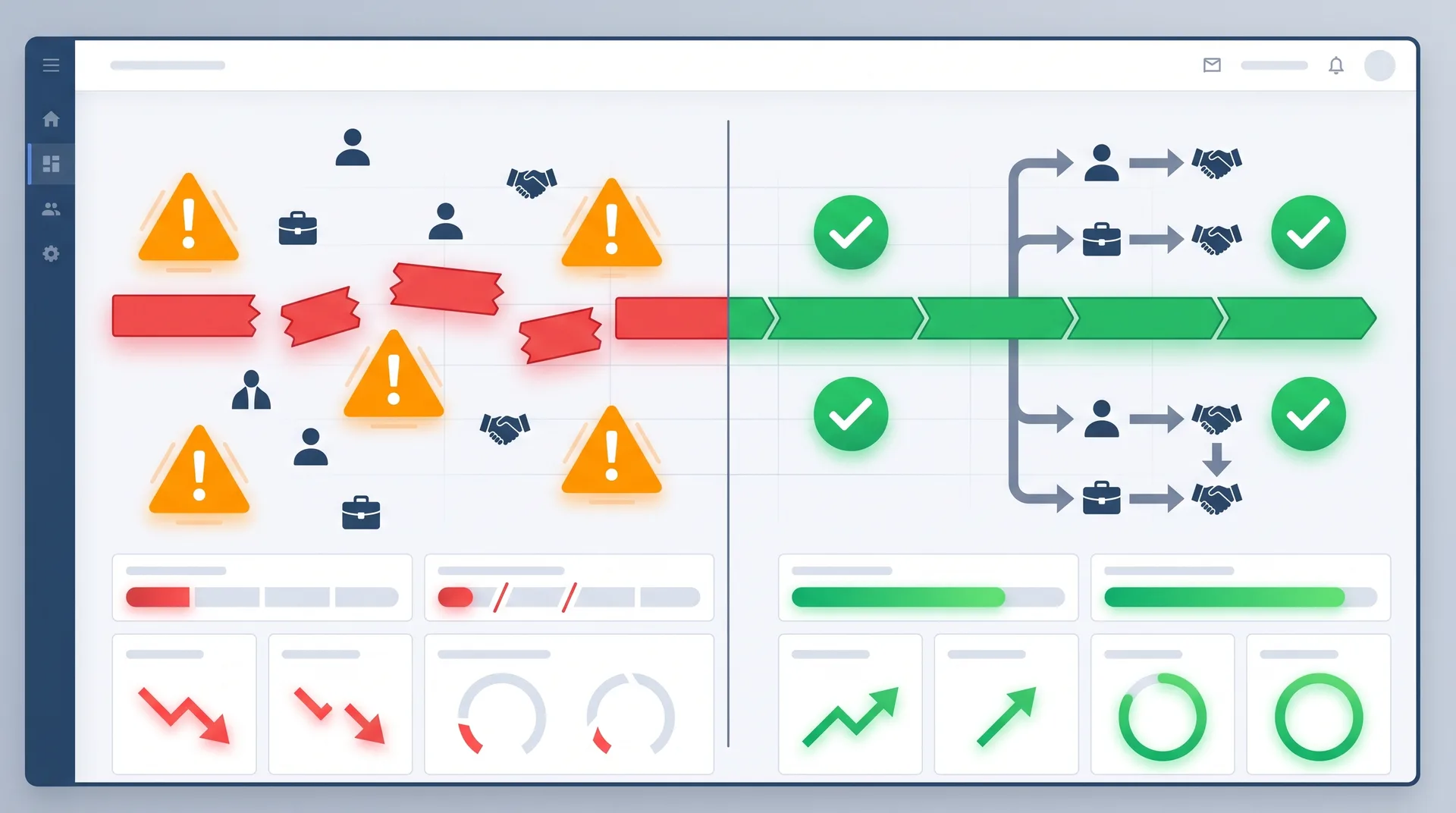
The problem isn't the close itself. It's everything that happened before it. Traditional closing tactics feel manipulative because they are manipulative. They try to manufacture urgency where none exists. They pressure prospects into decisions they're not ready to make. And when buyers sense that pressure, they backpedal fast.
The best closers I know don't use tricks. They use preparation. They recap agreed outcomes. They connect timing to business impact. They make the decision path easier for every stakeholder involved. The close feels natural because it is natural. It's just confirmation of a decision the buyer has already made in their head.
At TechDevs, we've closed deals ranging from $500 to six figures. The formula doesn't change. What changes is how much preparation you put in before you ever ask for the sale.
The One-Line Sales Closing Formula Explained
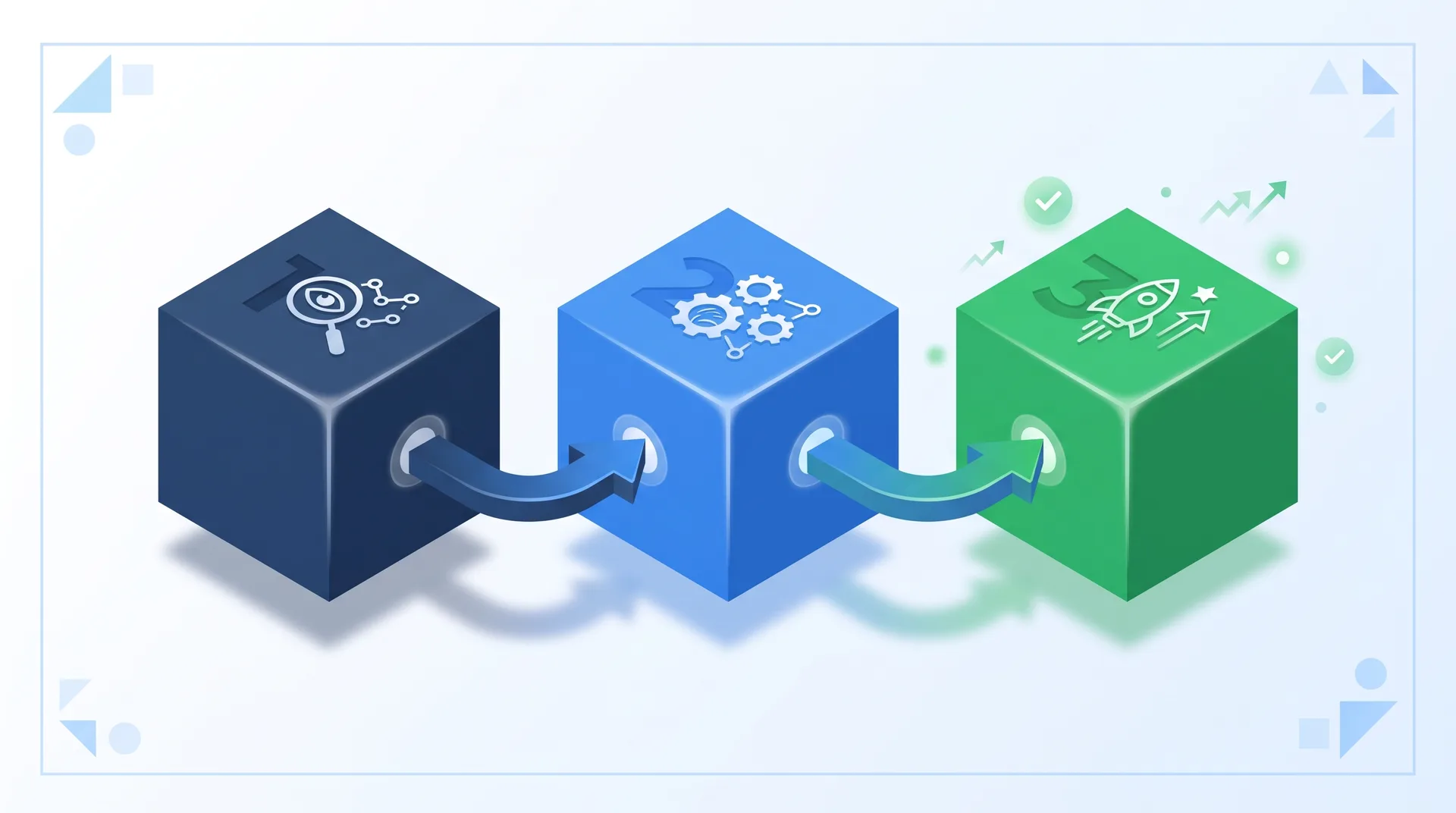
After closing $35M+ in client revenue, I've distilled closing into three parts: Value Confirmation + Timeline Connection + Clear Next Step.
That's it. No magic words. No manipulation. Just a framework that guides qualified buyers toward a decision that already makes sense for their business.
Here's how it sounds in a real conversation:
Based on what we discussed, you need to increase qualified leads by 40% before Q2 ends to hit your revenue target. Our SEO package delivers that outcome in 90 days based on similar clients in your space. If we kick off next week, you'll see results by mid-Q2. Should I send over the agreement so we can get started?
Example Close Using The Formula
Notice what's happening here. You're not asking if they want to buy. You're confirming they want the outcome, connecting it to their timeline, and making the next step frictionless. The decision feels inevitable because you've removed every obstacle.
Value Confirmation
Recap the agreed outcome in their words. Don't introduce new value at the close.
Timeline Connection
Tie the decision to a business deadline, event, or consequence they already care about.
Clear Next Step
Remove friction. Tell them exactly what happens next and make it stupid simple to say yes.
This formula works across industries because it's rooted in psychology, not tactics. People buy when three conditions align: they believe in the value, they feel urgency, and the path forward is clear. Give them all three and closing becomes easy.
The Foundation: What Must Happen Before You Use Any Sales Closing Formula
The formula only works if you've done the work upstream. Closing should be the easiest part of the sales cycle. If it's not, you skipped steps.
Before you attempt any close, run through this five-question self-assessment:
Pre-Close Foundation Checklist
Have you confirmed the prospect has budget, authority, need, and timeline?
Have you identified all decision-makers in the buying committee?
Have you addressed every major objection that came up during discovery?
Can you articulate the specific business outcome they care about in their exact words?
Do you know what event or deadline creates natural urgency for them?
If you can't check all five boxes, don't close yet. Go back and fill the gaps. I've lost deals by rushing the close when the foundation wasn't solid. And I've closed six-figure deals in a single call when the groundwork was perfect.
Stakeholder mapping is non-negotiable. Most B2B deals involve 6-10 decision-makers. If you're only talking to one person, you're not closing anything. You're just collecting information for someone else to make the decision.
Common Pre-Close Questions Answered
What if I don't have access to all the decision-makers?
Then you don't have a qualified opportunity yet. Ask your champion to introduce you or provide a multi-threading strategy to reach other stakeholders. Closing without full stakeholder alignment is a waste of time.
How do I know if budget is real or just a soft commitment?
Ask directly: 'Have you allocated budget for this, or does it need approval?' Real budget means it's sitting in a line item waiting to be spent. Soft budget means you're competing with every other priority.
What if they say they need time to think about it during discovery?
That's a signal you haven't aligned on value or urgency yet. Don't move to the close. Go deeper on discovery. Find out what's actually holding them back.
How much discovery is enough before attempting to close?
Enough that you can articulate their problem, desired outcome, and timeline better than they can. If you're guessing at any of those three, keep asking questions.
Should I use AI tools to help with qualification?
Absolutely. Intent data and AI-powered stakeholder mapping tools can show you when prospects are actively researching solutions and who else is involved in the decision. This shortens your sales cycle dramatically.
At TechDevs, we use AI to track buyer signals and intent data across our pipeline. When a prospect visits our pricing page three times in a week, we know they're close to a decision. That's when we reach out with the formula. Timing matters as much as technique.
How to Apply the Sales Closing Formula in Real Conversations
Theory is useless without execution. Here's exactly how to implement the formula in a live conversation.
Step 1: Recap the agreed outcome. Use their exact words. Don't paraphrase. Don't add new value. Just mirror back what they told you matters.
Example: 'You mentioned you need to cut customer acquisition cost by 30% before the board meeting in Q2. Is that still the priority?'
Wait for confirmation. If they hesitate, stop. You don't have alignment yet.
Step 2: Connect the timeline to a business consequence. Don't manufacture urgency. Find the real deadline that already exists in their world.
Example: 'If we start next week, we'll have 12 weeks to hit that 30% reduction before your board meeting. That gives us time to optimize and show results. If we wait another month, we're cutting it close.'
Step 3: Make the next step frictionless. Tell them exactly what happens next. Remove every decision point except one: yes or no.
Example: 'I'll send over the agreement today. It takes 5 minutes to sign electronically. Once that's done, we'll schedule a kickoff call for Monday and get started immediately. Sound good?'
Use short sentences. Long explanations at the close create doubt.
Pause after the ask. Let them process. Silence is your friend.
If they object, treat it as a buying signal. They're telling you what still needs addressing.
Never apologize for asking. You've earned the right to ask if you've done the work.
The best sales closing techniques are ones that help buyers confirm value, resolve concerns, and commit to a mutual next step. Effective closes feel natural because sellers recap agreed outcomes, connect timing to business impact, and make the decision path easier for every stakeholder involved.
Highspot Sales Research
I've used this formula to close deals in 15 minutes and deals that took 6 months. The timeline doesn't matter. The structure does. Value, urgency, next step. Every single time.

Scaling Your Business by Automating the Sales Closing Formula
You can't scale a sales team by hiring more reps and hoping they figure it out. You scale by systematizing what works and using AI to eliminate guesswork.
At TechDevs, we use automation to track buyer signals across our entire pipeline. When a prospect hits certain milestones (pricing page visit, case study download, third email reply), our system flags them as close-ready. That's when we apply the formula.
But automation isn't just about tracking. It's about consistency. Every rep on your team should sound like your best closer. That only happens if you train them on the same framework and give them the same data.
Intent Data Tracking
AI tools identify when prospects are actively researching solutions, visiting pricing pages, or comparing competitors. This tells you when to close.
Stakeholder Mapping
Automate the discovery of decision-makers in the buying committee. Know who needs to say yes before you ever ask.
Role-Play Training
Record practice closes, review them with your team, and refine talk tracks based on what actually works in the field.
Call Review Systems
Use AI to analyze closed deals vs lost deals. Find patterns in language, timing, and objection handling that predict success.
We train every new hire at TechDevs using recorded calls from our best closers. They listen to how the formula sounds in real conversations. Then they practice it in role-play scenarios until it feels natural. By the time they get on a live call, they've already closed 20 deals in practice.
Scaling isn't about working harder. It's about making your best practices repeatable and using data to eliminate bad timing.
Common Objections and How the Formula Handles Them
Objections at the close aren't rejections. They're buying signals. The prospect is telling you exactly what still needs addressing.
Most reps panic when they hear 'I need to think about it' or 'The price is too high.' I see objections as progress. If they're objecting, they're engaged. They're considering the decision. Your job is to resolve the concern, not overcome it.
How to Handle the Most Common Objections
I need to think about it
This means you haven't aligned on urgency. Go back to the timeline connection: 'I totally understand. Just so I'm clear, what specifically do you need to think through? Is it the ROI, the timeline, or something else?' Then address that specific concern.
The price is too high
This means they don't see the value yet. Recap the outcome: 'I hear you. Just to make sure we're aligned, if this delivers the 40% lead increase we discussed, that's worth $200K in revenue to you, right? So we're talking about a 10x return. Does that math not work?' Make them do the ROI calculation out loud.
I need to run this by my boss/team
This means you didn't map stakeholders properly. Ask: 'Of course. Who else needs to be involved in this decision? Can we schedule a call with them so I can answer their questions directly?' Never let your champion sell for you.
We're evaluating other options
This is actually good news. It means they're serious. Ask: 'That makes sense. What criteria are you using to compare options? I want to make sure we're addressing what matters most to you.' Then differentiate on their criteria, not yours.
Can you send me a proposal and I'll get back to you?
This is a polite brush-off unless you control the next step. Say: 'Absolutely. I'll send it over today. Let's schedule 15 minutes on Thursday to walk through it together and answer any questions. Does 2pm work?' Never send a proposal into the void.
We don't have budget right now
This means either they're not qualified or you haven't tied the solution to a cost they're already paying. Ask: 'I understand. How much is this problem costing you right now in lost revenue or wasted spend?' Make the cost of inaction bigger than the cost of your solution.
We want to start small and see how it goes
This is risk aversion. Offer a pilot with clear success metrics: 'That's fair. Let's do a 60-day pilot focused on X outcome. If we hit the target, we expand. If we don't, you walk away. Does that reduce the risk enough to move forward?' Make the trial low-risk and high-accountability.
Notice the pattern. Every objection gets reframed as a question you can answer. You're not arguing. You're clarifying. And once the concern is resolved, you go right back to the formula: value, timeline, next step.
Pros
Objections mean the prospect is engaged and considering the decision
They tell you exactly what still needs addressing
Resolving objections builds trust and moves the deal forward
Objections give you a chance to differentiate from competitors
Cons
Rejections are vague and non-specific ('not interested', 'bad timing')
They indicate poor qualification or misalignment on value
Rejections rarely turn into closed deals without major changes
They waste time if you keep pushing instead of disqualifying
I've closed deals after handling seven objections. And I've walked away from deals after one vague rejection. Know the difference.
Measuring Success: KPIs That Matter When Using This Sales Closing Formula
You can't improve what you don't measure. Track these four metrics to know if the formula is working.
Conversion rate tells you if your qualification and closing technique are working. If you're below 20%, you're either talking to the wrong prospects or botching the close.
Sales cycle length tells you if you're timing the close correctly. Deals that drag on forever usually mean you're missing stakeholders or urgency.
Deal value protection tells you if you're caving on price. If every deal requires a discount to close, you're not selling value effectively.
Track these metrics weekly, not monthly. Monthly reviews are too slow to course-correct.
Compare individual rep performance to identify who's executing the formula correctly.
Use AI tools to analyze call recordings and identify patterns in language that predict closed deals.
Review lost deals to find common objections or gaps in your pre-close foundation.
Celebrate wins publicly and break down exactly what the rep did right so others can replicate it.
At TechDevs, we review every closed deal and every lost deal in our weekly team meeting. We ask: What buyer signals did we see? What objections came up? How did the rep handle them? What would we do differently next time? That feedback loop is how we went from a 15% close rate to 40%+ in 18 months.
Your 30-Day Action Plan to Master the Sales Closing Formula in 2026
Reading about the formula won't close deals. You need to practice it until it becomes second nature. Here's your 30-day roadmap.
Week 1: Audit Your Current Approach
Record 5 sales calls where you attempted to close (with permission)
Identify where you're losing deals: qualification, stakeholder mapping, or the close itself
List the 3 most common objections you hear and how you currently handle them
Calculate your current close rate and average sales cycle length
Week 2: Practice the Formula
Write out the formula for 3 real opportunities in your pipeline
Role-play the close with a colleague or manager using those scenarios
Record yourself delivering the formula and listen back for filler words, hesitation, or weak language
Refine your talk track based on feedback
Week 3: Implement With Live Deals
Use the formula on 5 qualified opportunities this week
Track which part of the formula works best and where you get objections
Don't deviate from the structure. Consistency matters more than perfection.
Record outcomes: closed, objection, or lost
Week 4: Review and Refine
Compare your close rate this week vs your baseline from Week 1
Identify which buyer signals predict a successful close
Train your team on what you learned. Share recordings of successful closes.
Integrate AI tools to automate stakeholder mapping and intent tracking
I didn't become The SEO Guy overnight. I closed hundreds of deals, lost plenty, and refined my approach every single week. The same discipline applies to sales. Put in the reps. Track the data. And the results will follow.
Ready to Close More Deals and Scale Your Business?
At TechDevs, we don't just teach sales formulas. We build the systems, automation, and lead generation infrastructure that turn your sales team into a revenue machine. Book a discovery call and let's build a closing system that actually works.