SEO
Semantic SEO Strategy: How to Rank for Hundreds of Keywords with One Piece of Content
Transform your content strategy from single keywords to comprehensive topic mastery
Your content ranks for one keyword but misses thousands of related searches because you are not doing semantic SEO. Most websites fail to maximize their traffic because they optimize for single keywords instead of understanding how Google algorithm actually works. Google now focuses on understanding topics and user intent, not just matching exact keywords. This comprehensive guide reveals how semantic SEO optimization transforms your content strategy and how to rank across multiple related terms.
TLDR: Key Takeaways on Semantic SEO Strategy
Algorithm Evolution
Google now focuses on understanding topics and user intent rather than exact keyword matching.
Traffic Growth
Websites using semantic SEO see a 70% increase in organic traffic within 12 months.
Keyword Coverage
Semantic search content ranks for an average of 330 different keywords per page.
Search Innovation
15% of all Google searches are entirely new queries that have never been posed before.
Topic Clusters
Strategic content clustering around topics creates exponential ranking opportunities.
This guide provides the complete framework for transforming single-keyword content into semantic powerhouses that dominate search results across hundreds of related queries.
Why Single-Keyword Optimization is Killing Your Traffic Potential
The Fundamental Shift in Google Algorithm
This shift has changed everything about how content should be optimized. Google Hummingbird Algorithm, launched in 2013, marked a pivotal moment when search engines began reading and understanding a page overall topic rather than just scanning for keywords. The problem is that you are creating separate pages for keyword variations, ignoring topically relevant content and missing the semantic connections that Google craves.
The Hidden Cost of Keyword-Only Strategies
And honestly, the list of missed traffic opportunities from related searches is endless. Research shows that websites using semantic SEO strategies see a 70% increase in organic traffic within 12 months compared to traditional keyword-focused approaches.
Understanding Semantic SEO: The Complete Framework
What is Semantic SEO?
The solution is semantic SEO - optimizing for topics instead of just keywords. Semantic SEO is the strategy of creating content for topics instead of just keywords, focusing on understanding search intent and providing comprehensive, high-quality information that addresses user needs. This approach helps you rank for hundreds of related terms with a single piece of content.
How Google Semantic Search Actually Works
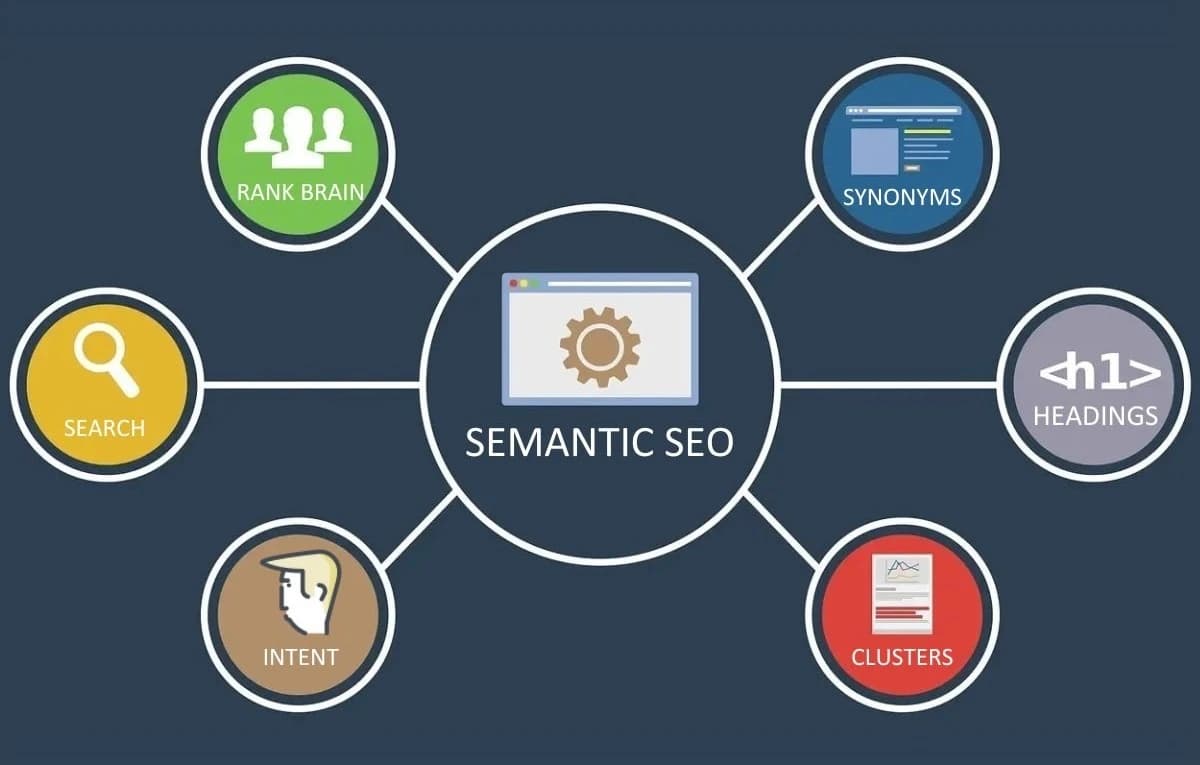
Google uses semantic analysis to examine and interpret search queries, understanding user intent and contextual meaning rather than just matching specific words. The search engine combines technologies like the Knowledge Graph, Hummingbird, and RankBrain to interpret and link data across a vast web of information. Natural Language Processing (NLP) plays a pivotal role in Google ability to analyze and extract information while discerning relationships between words to grasp nuanced context.
| Traditional Keyword SEO | Semantic SEO Strategy |
|---|---|
| Focuses on exact-match keywords | Optimizes for topics and user intent |
| Targets single search terms | Ranks for hundreds of related keywords |
| Creates separate pages for variations | Covers comprehensive topics in one piece |
| Keyword density optimization | Natural language and context focus |
| Limited traffic potential | Exponential ranking opportunities |
For deeper insights into semantic search mechanics, explore Semrush comprehensive guide to semantic search, which explains how modern search engines interpret user intent and content context.
Learn more about modern SEO approaches in our guide on Modern SEO: From Keywords to User Experience, which covers the evolution from traditional to semantic optimization.
The 5 Essential Pillars of Semantic SEO Success
Mastering semantic SEO requires understanding five core pillars that work together to create content that ranks for hundreds of related keywords while providing exceptional user value.
1. Comprehensive Topic Coverage Through Content Depth
You need to cover topics thoroughly by addressing People Also Ask questions, targeting multiple keyword variations, and creating long-form content. Long-form content provides ample space to naturally incorporate a variety of relevant keywords without keyword stuffing, covering topics comprehensively to target broader ranges of search queries.
Benefits of In-Depth Content:
- Increased dwell time as readers engage with comprehensive information
- More keyword opportunities through natural integration of semantic terms
- Enhanced authority establishment by demonstrating expertise in your niche
- Better user experience through well-structured, valuable content
2. Strategic Integration of Semantic Keywords
Do not forget natural language writing and semantic keywords that help Google understand your content context. Semantic keywords are words or phrases that are conceptually related to your target keyword, helping search engines understand the topic and context of your content.
Types of Semantic Keywords to Include:
- LSI (Latent Semantic Indexing) keywords that are conceptually related to your main topic
- Related search terms found in Google Related searches section
- Synonyms and variations of your primary keywords
- Industry-specific terminology that provides topical context
For comprehensive semantic keyword research strategies, check out Semrush guide to semantic keywords, which provides advanced techniques for identifying conceptually related terms.
3. People Also Ask Optimization Strategy
The PAA feature provides a unique opportunity for websites to increase their reach and gain more visibility in search results. By appearing in People Also Ask sections, your website can be considered an authority in your field, leading to more clicks and traffic.
Discover more featured snippet strategies in our detailed guide Featured Snippet Hack: How to Hijack Google Search Without Ranking On Top.
4. Topic Clustering and Content Architecture
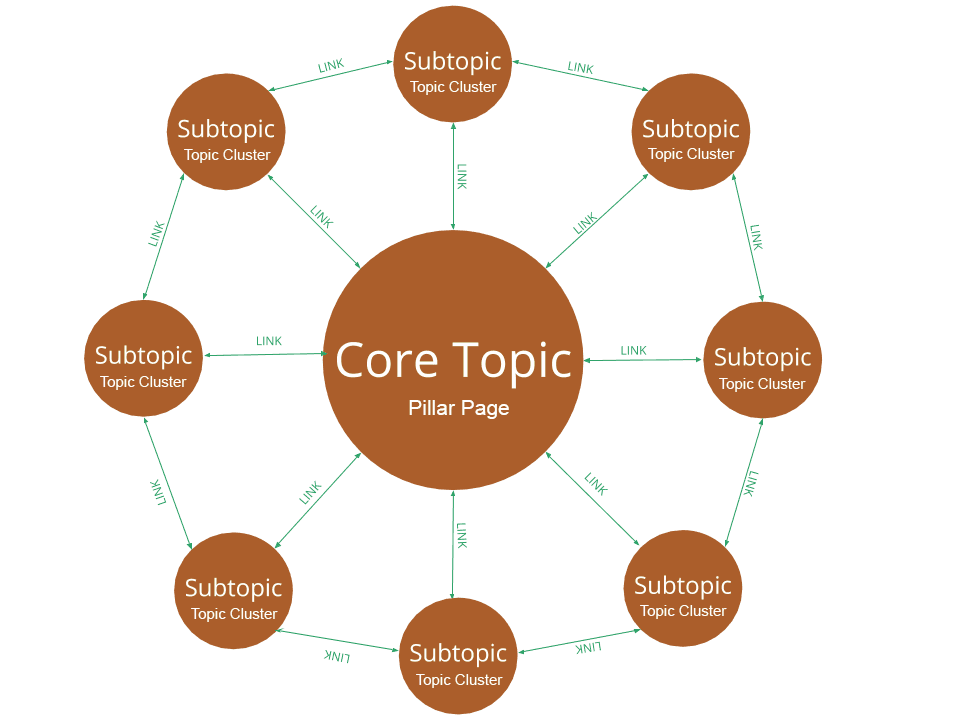
Topic clusters are groups of interconnected, thematically related pages that include one pillar page providing broad topic overview and multiple subpages covering associated subtopics. This structure organizes content around specific themes, making it easier for search engines to understand the depth of your coverage.
Content Cluster Benefits:
- Improved site structure through logical internal linking
- Enhanced topical authority by demonstrating comprehensive knowledge
- Better user navigation helping visitors find related information
- Stronger semantic relationships between related content pieces
Learn more about effective content clustering in our guide on Pillar Page SEO: How Topic Clusters Can Grow Your Website Traffic.
5. Natural Language Processing Optimization
Google uses BERT (Bidirectional Encoder Representations from Transformers) to understand the complexities of ambiguous language within text, considering entire sentence context rather than analyzing individual words in isolation. This means your content should be written naturally for humans while incorporating semantic elements that help AI understand context.
For advanced NLP optimization techniques, explore Nestify comprehensive guide to NLP for SEO, which explains how to optimize content for natural language processing algorithms.
How TechDevs Approaches Semantic SEO
Our Semantic Optimization Methodology
At TechDevs, we use a comprehensive approach to semantic SEO. Our methodology includes:
- Comprehensive Topic ResearchWe identify core topics and related semantic themes relevant to your industry
- Semantic Keyword MappingWe use advanced tools to find conceptually related terms and phrases
- Content Architecture PlanningWe design topic clusters that establish clear topical authority
- Natural Language IntegrationWe create content that reads naturally while optimizing for semantic search
- Performance MonitoringWe track rankings for multiple related keywords to measure semantic success
Our Semantic SEO Services for Indian Businesses
Content Strategy Development:
- Comprehensive topic research and semantic keyword identification
- Content cluster planning and pillar page architecture
- People Also Ask optimization and FAQ development
- Natural language writing with semantic integration
Technical Implementation:
- Entity-based optimization using structured data markup
- Internal linking strategies that support topic clusters
- Schema markup implementation for enhanced semantic understanding
- Content optimization for multiple related search intents
Geo-Targeted Semantic Optimization:
For businesses serving multiple Indian markets, we implement location-specific semantic strategies:
- Mumbai-focused content incorporating local landmarks and cultural references
- Delhi market optimization using regional terminology and search patterns
- Bangalore tech industry semantic clustering around relevant business topics
- Chennai manufacturing sector topic authority development
Discover how we help businesses build authority in our comprehensive guide on Build a Sustainable Brand with SEO.
Advanced Semantic SEO Implementation Strategies
Entity-Based Content Optimization
Entity-based optimization focuses on concepts that Google uses to understand context behind search terms, including people, places, things, or concepts. By structuring your website around these entities, you improve relevance and authority in search engine eyes.
For detailed entity optimization strategies, check out Flexamedia step-by-step guide to entity-based optimization, which provides comprehensive implementation techniques.
Content Format Diversification
Incorporate various content formats to address different user preferences and search intents:
- Long-form blog posts for comprehensive topic coverage
- Video content addressing visual learners and YouTube search
- Infographics for data visualization and social sharing
- Interactive content like calculators and quizzes for engagement
Semantic Keyword Research Tools and Techniques
Use specialized tools to identify semantic opportunities:
| Tool | Primary Function | Semantic Benefits |
|---|---|---|
| Semrush Keyword Magic Tool | Broad match keyword discovery | Identifies semantic variations and related terms |
| Google People Also Ask | Question-based research | Reveals user intent and related queries |
| AnswerThePublic | Visual keyword mapping | Shows question-based semantic opportunities |
| LSI Graph | Latent semantic indexing | Generates contextually related keyword suggestions |
For more advanced keyword research techniques, explore our Ultimate SEO Blueprint for Organic Traffic which covers comprehensive keyword strategy development.
FAQ: Semantic SEO Mastery
What is the difference between semantic SEO and traditional keyword optimization?
Traditional keyword optimization focuses on ranking for specific exact-match terms, while semantic SEO optimizes for topics and user intent. Semantic SEO helps you rank for hundreds of related terms with a single piece of content by providing comprehensive topic coverage. Google's algorithms now analyze entire content context rather than just counting keyword occurrences.
How long does it take to see results from semantic SEO implementation?
Most websites see initial improvements within 8-12 weeks of implementing comprehensive semantic strategies. Significant traffic increases from semantic search queries typically appear after 4-6 months of consistent optimization.
Can small businesses compete with large corporations using semantic SEO?
Yes, semantic SEO actually levels the playing field by allowing smaller businesses to establish topical authority in specific niches. Local businesses can build semantic authority around location-specific topics and industry expertise. By focusing on comprehensive topic coverage rather than competing for broad keywords, small businesses can outrank larger competitors in specialized areas.
How do I identify semantic keywords for my content?
Use Google's autocomplete suggestions, People Also Ask sections, and related searches at the bottom of search results. Professional tools like Semrush's Keyword Magic Tool and SEO Content Template provide comprehensive semantic keyword lists. Analyze top-ranking competitors to identify semantic terms they use throughout their content.
What role do topic clusters play in semantic SEO success?
Topic clusters demonstrate subject matter expertise to search engines by organizing related content around central themes. They help establish topical authority by showing comprehensive coverage of subjects through interconnected pages. Internal linking within clusters strengthens semantic relationships and helps Google understand content depth and breadth.
Ready to Unlock Your Content Full Ranking Potential?
Semantic SEO represents the future of content optimization, moving beyond single keywords to comprehensive topic mastery. By understanding how Google algorithms interpret content context and user intent, you can create content that ranks for hundreds of related terms simultaneously.
TechDevs specializes in transforming single-keyword content into topic-focused content that can rank across multiple related queries. Our team understands the unique challenges of building semantic authority in competitive Indian markets and provides customized solutions for businesses of all sizes.
For additional semantic SEO insights and advanced strategies, explore SE Ranking comprehensive semantic SEO guide, which provides detailed implementation frameworks and best practices.
Ready to Multiply Your Content Ranking Potential?
Contact TechDevs today for a comprehensive semantic SEO audit and discover how we can help improve your search visibility.