The Ultimate Guide to Future-Proofing Your Website with Voice Engine Optimization
Master voice engine optimization with our ultimate guide. Learn proven strategies to optimize your website for voice search and stay ahead in the voice-first era.
 Written byPrithvi Jadwani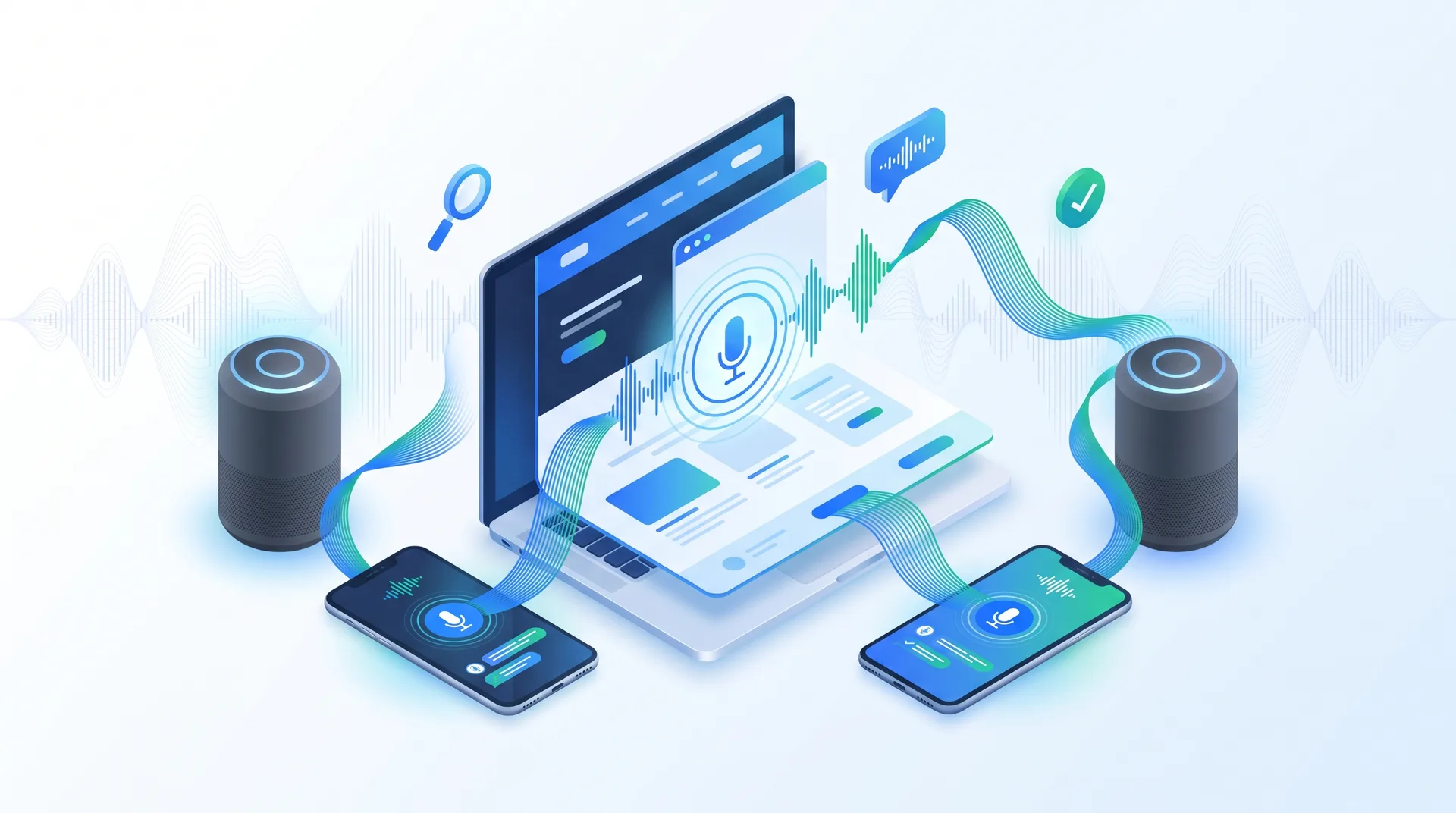
Table of contents
Summarize this article with AI
TL;DR
Voice search is not the future. It's already here. With 8.4 billion active voice assistants processing over 10 billion queries daily, voice engine optimization is the difference between being found and being invisible. The average voice query is 29 words long, seven times longer than typed searches. If you're still optimizing for short-tail keywords, you're optimizing for the wrong search behavior.
- Voice Queries Are 7x Longer. The average voice search is 29 words vs 4 words typed. Conversational keywords are no longer optional.
- Featured Snippets Drive 40.7% of Voice Answers. Position Zero is 40x more likely to be selected as a voice answer than positions 2-10 combined.
- 28% Daily Voice Assistant Usage. Over a quarter of US and UK consumers use voice assistants every single day for search and discovery.
- Voice Commerce Hits $164B by 2028. Voice-initiated transactions are growing 24% annually. This is not novelty tech anymore.
Why Voice Engine Optimization Is No Longer Optional in 2026
Let me be direct: if you're not optimizing for voice search right now, you're handing traffic to competitors who are.
8.4 billion voice assistants are active worldwide. That number has surpassed the global population. Every smartphone, smart speaker, car dashboard, and wearable device is now a voice-first interface. This is not a trend. This is the new default.
But here is what most businesses miss: voice search behavior is fundamentally different from text search. When someone types a query, they use shorthand. "best coffee shop brooklyn." When they speak, they ask a full question. "What's the best coffee shop in Brooklyn that's open right now?"
That difference changes everything.
Voice queries are conversational. They're longer. They're question-based. And if your content is still optimized for three-word keyword strings, you're invisible to voice engines.
I have seen this firsthand with clients. A meal delivery service optimized for "What's the healthiest meal delivery option?" instead of just "healthy meal delivery." Their voice search traffic doubled in 90 days. Their conversion rate from voice traffic was 18% higher than typed search because voice users have clearer intent.
Voice-First User Behavior
Users speak complete questions, not keyword fragments. Your content must answer those questions directly.
Higher Intent Signals
Voice searchers are often further down the funnel. They're ready to take action, not just browse.
Cross-Device Discovery
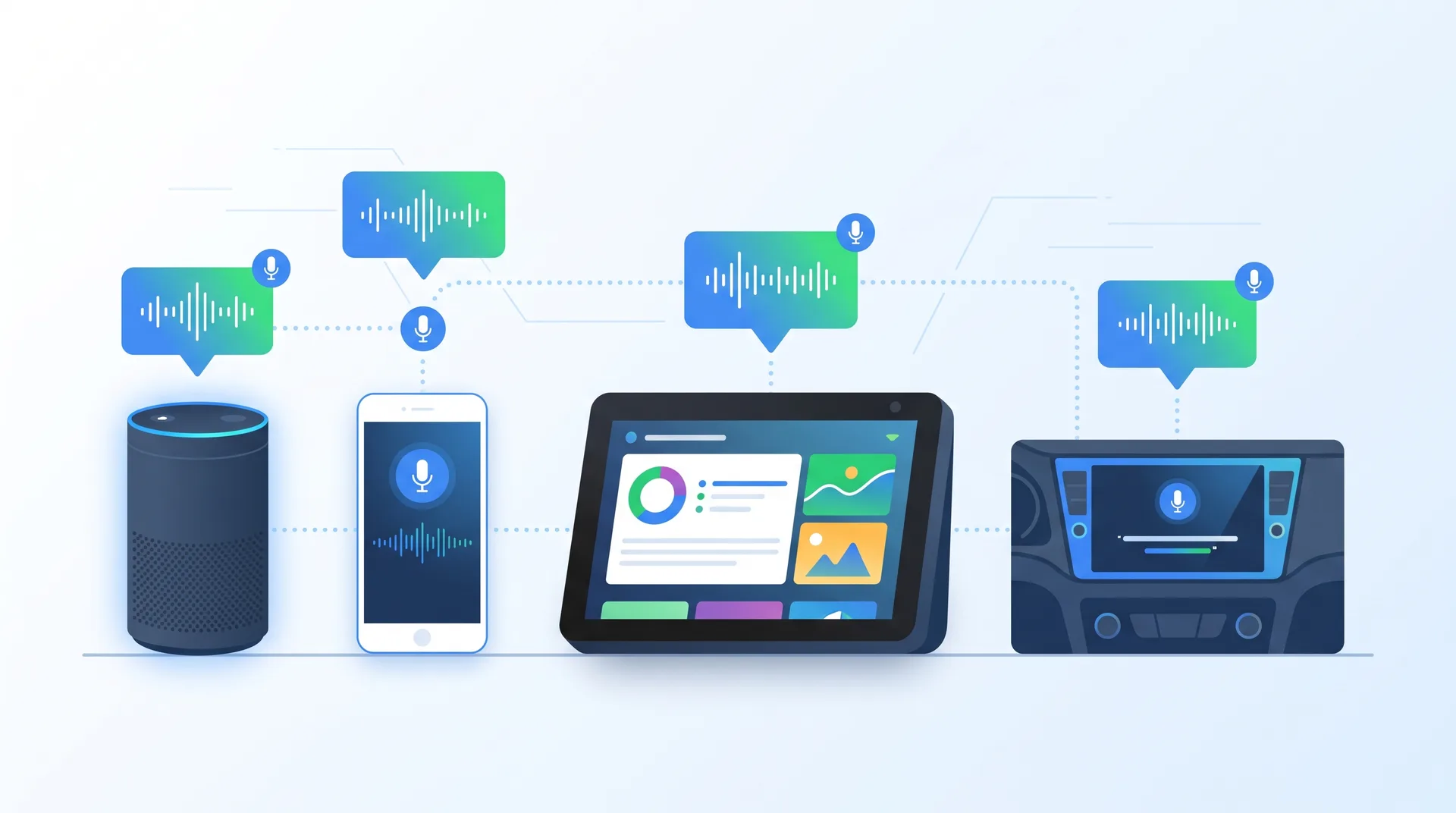
Voice search happens on phones, smart speakers, cars, and wearables. You need to be visible everywhere.
Trust and Authority
Voice engines cite authoritative sources. If you're not structured for citation, you're not getting read aloud.
Understanding How Voice Search Actually Works
Voice engines are not magic. They're algorithms trained on natural language processing, machine learning, and billions of past queries. But they behave very differently from traditional search crawlers.
When you type a query into Google, the algorithm looks at your keyword string, matches it against indexed pages, and ranks results based on hundreds of signals. When you ask Siri or Alexa a question, the voice engine has to do three things:
Transcribe your speech into text using natural language understanding
Interpret the intent behind your question, not just the keywords
Select a single answer to read aloud, not a list of ten blue links
That third step is the critical difference. Voice search is zero-click. The user gets one answer, read aloud, and moves on. If your content is not the chosen answer, you get zero traffic.
How Voice Engines Choose Which Content to Cite
Why do voice engines favor featured snippets?
Featured snippets are already formatted as direct answers. Voice engines pull from Position Zero because it's the most concise, structured response on the page. 40.7% of all voice answers come from featured snippets, making snippet optimization the single most important voice SEO tactic.
What role does schema markup play in voice search?
Schema markup gives voice engines structured data they can parse without guessing. FAQ schema, How-to schema, and Local Business schema tell the algorithm exactly what your content is about and how to cite it. Without schema, you're making the engine work harder to understand your page.
Do voice engines rank pages the same way Google does?
Not exactly. Traditional SEO ranking factors like backlinks and domain authority still matter, but voice engines prioritize page speed, mobile optimization, and conversational content structure. A page that ranks #3 in text search but has better structured data and faster load time can win the voice result over the #1 ranked page.
How does AI and machine learning impact voice search results?
Voice assistants use machine learning to improve answer selection over time. They learn which answers users find most helpful, which sources are most authoritative, and which content formats work best for voice delivery. This means voice optimization is not a one-time fix. It's a continuous process.
Voice search is not about gaming the system. It's about structuring your content so clearly that an AI engine can confidently cite you as the authoritative answer.
Prithvi Jadwani, TechDevs Voice Optimization Strategy
Mastering Conversational Keywords for Voice Engine Optimization
Here is where most SEO strategies fall apart: they're still built for typed queries.
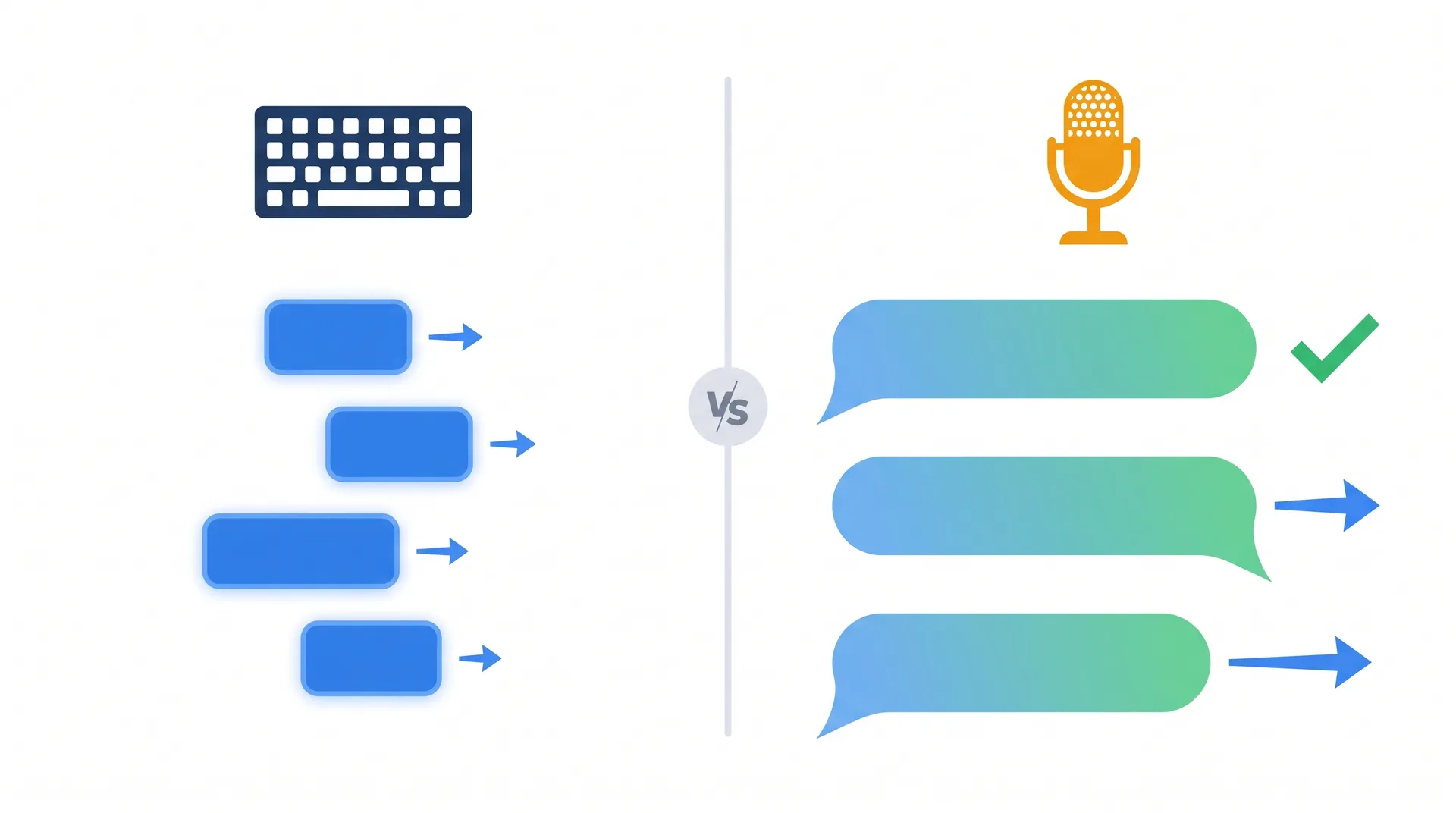
Someone types "best Italian restaurant NYC." Someone else asks their phone, "What's the best Italian restaurant in New York City that's open right now?" Same intent. Completely different keyword structure.
The average voice query is 29 words long. That's seven times longer than the average typed search. If you're optimizing for three-word keyword strings, you're optimizing for the wrong behavior.
So how do you find these conversational keywords? You ask the questions your customers are already asking.
Use AnswerThePublic to see every question being asked around your core topic
Use AlsoAsked to map out question clusters and related queries
Check Google's People Also Ask boxes for real user questions
Look at your customer support tickets and sales calls for common questions
Monitor Reddit, Quora, and industry forums for how people actually phrase their problems
But finding the keywords is only half the work. You have to implement them without sounding like a robot.
Conversational Keyword Implementation Checklist
Write your content in a natural, helpful tone - like you're explaining it to a colleague
Use the exact question phrasing as your H2 or H3 heading
Answer the question in the first 1-2 sentences of that section
Include variations of the question throughout the content naturally
Use FAQ schema to mark up question-and-answer pairs
Test your content by reading it aloud - if it sounds awkward, rewrite it
I tested this with a SaaS client in the project management space. We rewrote their "Features" page to answer specific questions like "What's the best project management tool for remote teams?" and "How do I track project progress without micromanaging my team?" Their voice search impressions went up 340% in four months. Their demo requests from voice traffic converted at 22%, compared to 14% from typed search.
Optimizing Content Structure for Voice Search Success
Voice engines do not read your entire page. They scan for the answer, extract it, and move on. If your content is not structured for quick extraction, you lose.
Here is what works: direct answers, clear hierarchy, and scannable formatting.
When someone asks a voice assistant a question, the engine looks for a concise answer. Typically 29 to 40 words. Not a 500-word essay. Not a vague introduction. A direct, specific answer.
Content Structure Best Practices for Voice Optimization
How should I structure my content for voice search?
Start with the answer in the first 1-2 sentences. Use clear H2 and H3 headings that match the question. Break content into short paragraphs (2-3 sentences max). Use bullet points and numbered lists for step-by-step instructions. End with a summary or key takeaway.
What is the ideal answer length for voice search?
Voice engines prefer answers between 29 and 40 words. This is long enough to be useful but short enough to read aloud without losing the listener's attention. If your answer is longer, voice engines will often truncate it or skip to a more concise source.
Should I create separate FAQ pages for voice search?
Yes, but not just standalone FAQ pages. Integrate FAQ sections throughout your content where relevant. Use FAQ schema markup to tell voice engines exactly which content is a question and which is the answer. This makes it easier for engines to extract and cite your content.
How important is heading hierarchy for voice optimization?
Critical. Voice engines use your H1, H2, and H3 tags to understand the structure and topic of your page. Your H2 should be the question. Your H3 can be sub-questions or supporting points. Never skip heading levels (don't go from H2 to H4). Clean hierarchy helps engines parse your content correctly.
What role do featured snippets play in voice search?
Featured snippets are the single most important SERP feature for voice visibility. Pages that earn Position Zero are 40 times more likely to be selected as voice answers. To optimize for snippets, answer the question directly in the first paragraph, use lists or tables where appropriate, and keep answers concise.
But structure alone is not enough. You need to write in a conversational tone that mirrors how people actually speak.
Pros
Conversational tone makes content more engaging and easier to read aloud
Direct answers improve user experience and reduce bounce rate
Question-based headings match user intent more accurately
Shorter paragraphs improve scannability and mobile readability
FAQ sections provide structured data that voice engines love
Cons
Requires rewriting existing content to match conversational style
More time-intensive to research question-based keywords
Harder to rank for competitive short-tail keywords with long-form answers
Schema implementation requires technical knowledge or developer help
One more thing: voice engines prioritize mobile-friendly, fast-loading pages. If your site takes five seconds to load, you're not getting cited. Period.
Technical Implementation: Schema Markup and Structured Data
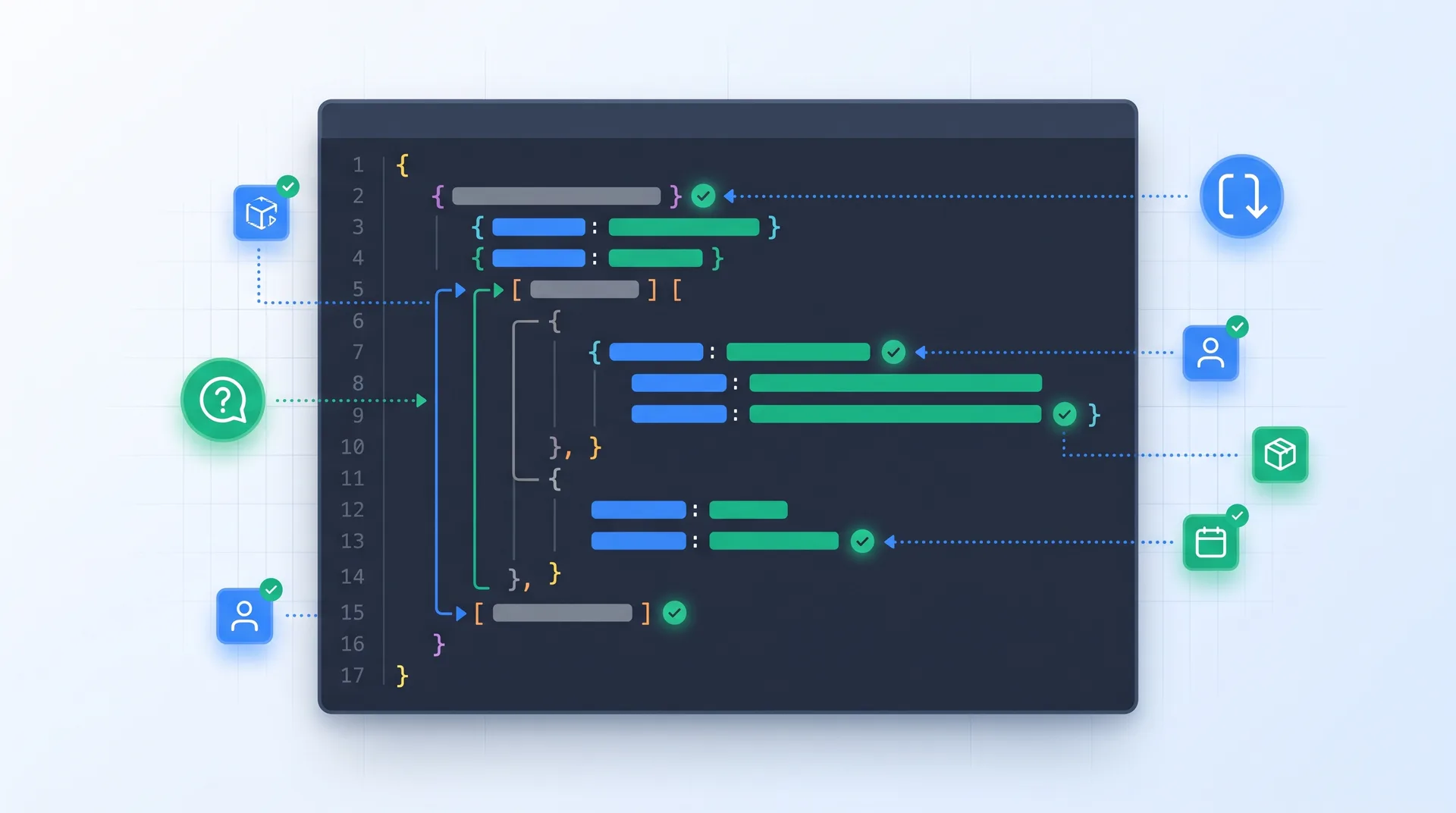
Schema markup is not optional for voice search. It's the difference between being understood and being ignored.
Think of schema as a translation layer. Your content is written for humans. Schema tells the algorithm exactly what that content means. Without it, voice engines have to guess. And when they guess wrong, they cite someone else.
There are three schema types that matter most for voice optimization:
FAQ Schema - Marks up question-and-answer pairs so voice engines know which part is the question and which is the answer
How-to Schema - Structures step-by-step instructions in a format voice engines can read aloud naturally
Local Business Schema - Tells voice engines your business name, address, phone number, hours, and services for location-based queries
I recommend using JSON-LD format for schema implementation. It's easier to manage, less prone to errors, and Google explicitly recommends it.
Schema Implementation Checklist
Identify which pages need schema (start with high-traffic pages and FAQ sections)
Choose the correct schema type for each page (FAQ, How-to, Local Business, etc.)
Write schema in JSON-LD format and place it in the <head> or <body> of your HTML
Test your schema using Google's Rich Results Test tool
Fix any errors or warnings flagged by the validation tool
Submit your updated sitemap to Google Search Console
Monitor performance in Search Console under Enhancements > Structured Data
Schema is one area where most businesses need technical help. If you're not comfortable editing your site's HTML, bring in a developer or work with an agency that specializes in technical SEO. We implement schema for clients every week, and the impact on voice search visibility is immediate.
Local Voice Search Optimization for Multi-Location Businesses
"Near me" queries are voice search gold. And most local businesses are leaving money on the table because they're not optimized for them.
When someone asks their phone, "Where's the closest coffee shop?" or "What's the best plumber near me?" voice engines pull from local search results. If your Google Business Profile is incomplete, your NAP data is inconsistent, or your site is not mobile-optimized, you're invisible.
Local voice search optimization starts with Google Business Profile. Your profile needs to be 100% complete. That means:
Accurate NAP data (Name, Address, Phone) that matches your website exactly
Business hours updated in real time, including holidays
Service areas clearly defined if you serve multiple locations
High-quality photos of your business, team, and products
Customer reviews actively managed and responded to
Posts and updates published regularly to show you're active
But Google Business Profile is just the start. You also need location-specific content on your website.
Location Pages
Create a dedicated page for each location you serve. Include the full address, phone number, hours, and unique content about that location.
Local Schema Markup
Use Local Business schema on every location page. Include your NAP data, coordinates, and service area in structured data.
Customer Reviews
Voice engines use reviews as a trust signal. Encourage happy customers to leave reviews on Google, and respond to every review (positive or negative).
Mobile Optimization
Most local voice searches happen on mobile. If your site is not mobile-friendly, you're losing traffic to competitors who are.
Local Voice Search Optimization Checklist
Claim and verify your Google Business Profile for every location
Ensure NAP consistency across your website, GBP, and all directory listings
Create location-specific pages with unique content and conversational keywords
Implement Local Business schema on every location page
Optimize for mobile speed and usability
Encourage and manage customer reviews actively
Publish local content (blog posts, case studies, events) regularly
I worked with a multi-location HVAC company that was getting zero voice search traffic. We optimized their Google Business Profiles, added Local Business schema to every location page, and rewrote their service pages to answer common questions like "How much does AC repair cost in [city]?" Their voice search traffic went from nothing to 18% of total organic traffic in six months. Their phone calls from voice search converted at 31%, higher than any other channel.
Technical Performance Factors That Impact Voice Rankings
Voice engines are ruthless about performance. If your page is slow, you're out.
Think about it: when someone asks a voice assistant a question, they expect an instant answer. If your site takes five seconds to load, the engine moves on to the next result. You get nothing.
Here are the technical factors that matter most for voice search:
Voice Search Technical Performance Checklist
Page speed under 2 seconds - Use tools like Google PageSpeed Insights and GTmetrix to measure and improve load time
Mobile-first indexing - Google uses your mobile site for ranking. If your mobile experience is bad, your voice rankings will be too
HTTPS security - Voice engines prioritize secure sites. If you're still on HTTP, migrate to HTTPS immediately
Core Web Vitals passing - LCP, FID, and CLS are ranking signals. If your site fails Core Web Vitals, fix it
Clean site architecture - Voice engines need to crawl and index your content quickly. Fix broken links, optimize your sitemap, and reduce crawl depth
Reduce JavaScript bloat - Heavy JavaScript frameworks slow down time-to-interactive. Use server-side rendering or static site generation where possible
We use AI and automation tools to monitor site performance for clients in real time. When a page slows down or Core Web Vitals drop, we get alerted immediately and fix it before it impacts rankings. This kind of proactive monitoring is critical for voice search, where performance directly affects visibility.
Measuring Success: Voice Engine Optimization Analytics and KPIs
You can't improve what you don't measure. And measuring voice search performance is harder than traditional SEO because most analytics tools don't separate voice traffic from typed search.
But there are signals you can track.
Start with Google Search Console. Look at your queries report and filter for long-tail, question-based keywords. These are likely voice searches. Track impressions, clicks, and average position for these queries over time.
Featured snippet acquisition - Track how many featured snippets you own and which keywords they target
Position Zero rankings - Monitor your rankings for question-based keywords that trigger featured snippets
Conversational keyword rankings - Track long-tail, natural language queries separately from short-tail keywords
Mobile traffic trends - Most voice searches happen on mobile. Track mobile traffic growth as a proxy for voice search growth
Zero-click search rate - If your featured snippet rate is high but clicks are low, you're getting cited in voice results
Page speed and Core Web Vitals - Monitor performance metrics that directly impact voice search eligibility
Beyond Search Console, you can use tools like Semrush, Ahrefs, and BrightLocal to track voice search keyword rankings and featured snippet performance.
Track Featured Snippets
Monitor which queries trigger featured snippets for your content and how often you win Position Zero.
Measure Conversational Keywords
Separate long-tail, question-based queries from short-tail keywords in your reporting.
Monitor Performance Metrics
Track page speed, Core Web Vitals, and mobile usability as leading indicators of voice search eligibility.
Voice search optimization is not a one-time project. It's a continuous process of testing, measuring, and improving. The brands that win are the ones that treat voice as a core channel, not an afterthought.
Prithvi Jadwani, TechDevs Voice Optimization Framework
Set up custom reports in Google Analytics and Search Console to track voice search KPIs weekly. Review featured snippet performance monthly. Run quarterly audits of your schema markup and technical performance. This is how you stay ahead.
Future-Proofing Your Voice Strategy: What's Next
Voice search is not slowing down. It's accelerating.
We're moving toward a world where voice is the default interface for search, commerce, and discovery. Multimodal search experiences (voice plus visual) are already here. Voice commerce is growing 24% annually. And AI-powered voice assistants are getting better at understanding context, intent, and nuance.
If you're not preparing for this shift now, you're going to be playing catch-up in 12 months.
What's Next for Voice Search
What is multimodal search and why does it matter?
Multimodal search combines voice, visual, and text inputs. For example, a user might ask, "Show me red dresses under $100" and the assistant displays visual results while reading descriptions aloud. This means your product images, alt text, and structured data need to work together seamlessly.
How will voice commerce change online shopping?
Voice commerce is projected to reach $164 billion by 2028. Consumers are already using voice to reorder groceries, manage subscriptions, and make purchases. Brands that integrate voice ordering, payment authentication, and conversational product discovery will dominate this channel.
What role does accessibility play in voice optimization?
Voice interfaces are inherently more accessible for users with visual impairments, mobility challenges, or reading difficulties. Optimizing for voice search also improves accessibility, which is both a moral imperative and a business opportunity. Accessible sites rank better and reach more users.
How can I stay ahead of voice search algorithm changes?
Focus on fundamentals: conversational content, technical performance, structured data, and user experience. These principles will remain important regardless of how voice algorithms evolve. Monitor industry research, test new features early, and iterate based on data.
What should I do first to start optimizing for voice search?
Start with a voice search audit. Identify your highest-traffic pages, rewrite them to answer common questions, add FAQ schema, and optimize for mobile speed. Then expand to location pages, product pages, and blog content. Voice optimization is a marathon, not a sprint.
Your Voice Optimization Action Plan
Audit your top 20 pages for conversational keyword opportunities
Rewrite content to answer specific questions directly in the first 1-2 sentences
Implement FAQ schema on all pages with question-and-answer content
Optimize for featured snippets by formatting answers concisely (29-40 words)
Improve page speed and Core Web Vitals to under 2 seconds load time
Claim and optimize your Google Business Profile for local voice search
Set up tracking for conversational keywords and featured snippet performance
Run monthly audits to monitor voice search visibility and make improvements
The window is closing faster than most brands realize. Voice search is not the future. It's the present. And the brands that move now are the ones that will own the AI search layer in 2026 and beyond.
See you at the top.
Ready to Own the Voice Search Layer?
Voice search is not optional anymore. It's the difference between being found and being invisible. We help businesses rank, convert, and print money through voice engine optimization, technical SEO, and AI-powered content strategies. Book a discovery call and let's build your voice-first strategy.